How Lemon Vibrators Transform Pleasure for People on SSRI Antidepressants
SSRIs save lives and flatten sensation. Here's the science behind why air-suction lemon clitoral vibrators work where traditional vibration fails when medication changes your sexual response.
Selective serotonin reuptake inhibitors are among the most effective treatments for depression, anxiety, and OCD. They're also notorious for flattening sexual response. About 40 to 60 percent of people taking SSRIs experience delayed orgasm, reduced sensation, or complete loss of desire. That's not a character flaw or a sign the medication isn't working. That's neurochemistry doing exactly what the drug is designed to do: regulate serotonin across your entire nervous system, including the parts that drive arousal and pleasure.
The problem is that most sexual wellness advice completely ignores this reality. You're left in a gap: your mental health is stable, your mood is solid, and your sexual life has vanished. For people who've finally found medication that works, losing pleasure feels like punishment for getting better.
Here's the mechanism. Serotonin is involved in orgasm initiation, sensation intensity, and genital blood flow. SSRIs increase available serotonin in your brain by blocking reabsorption at the synapse. This is brilliant for mood regulation and terrible for the neurological cascade that creates pleasure.
The result: your clitoris still has all the same nerve endings. Your capacity for orgasm is still there. But the signal feels muted, like you're experiencing sensation through cotton. Arousal takes longer to build. Orgasm, when it comes, often feels distant or incomplete. Many people describe it as "watching themselves have pleasure" instead of actually feeling it.
This is not laziness. This is not a relationship problem. This is a direct, measurable side effect of a medication that's working exactly as intended for your mental health.
Most vibrators rely on consistent rhythmic vibration to trigger the clitoral nerves. That works fine for people with baseline sensitivity. For people on SSRIs, vibration alone doesn't cut through the sensory dampening. You end up increasing intensity settings, extending session time, and still feeling like something's missing.
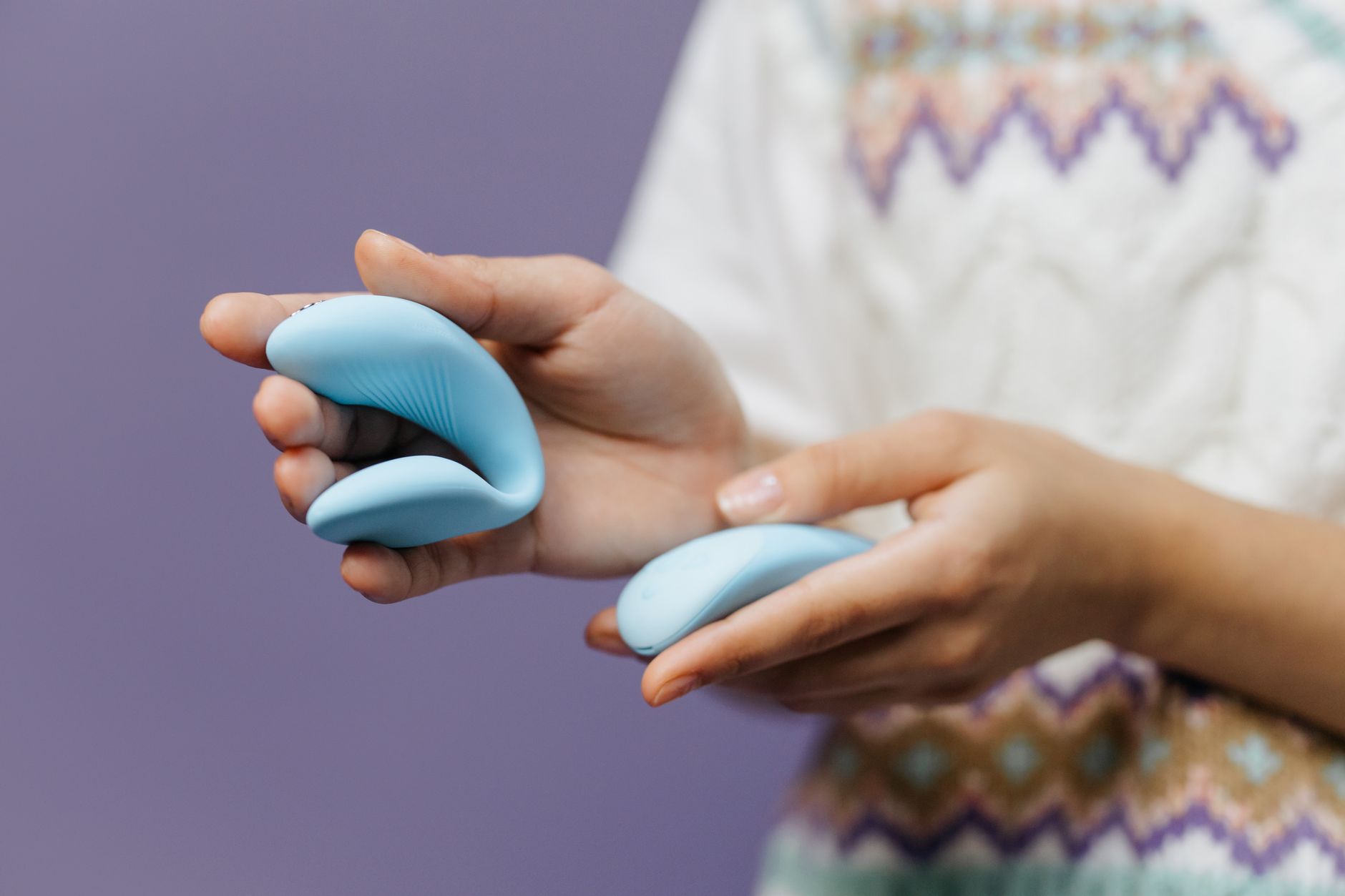
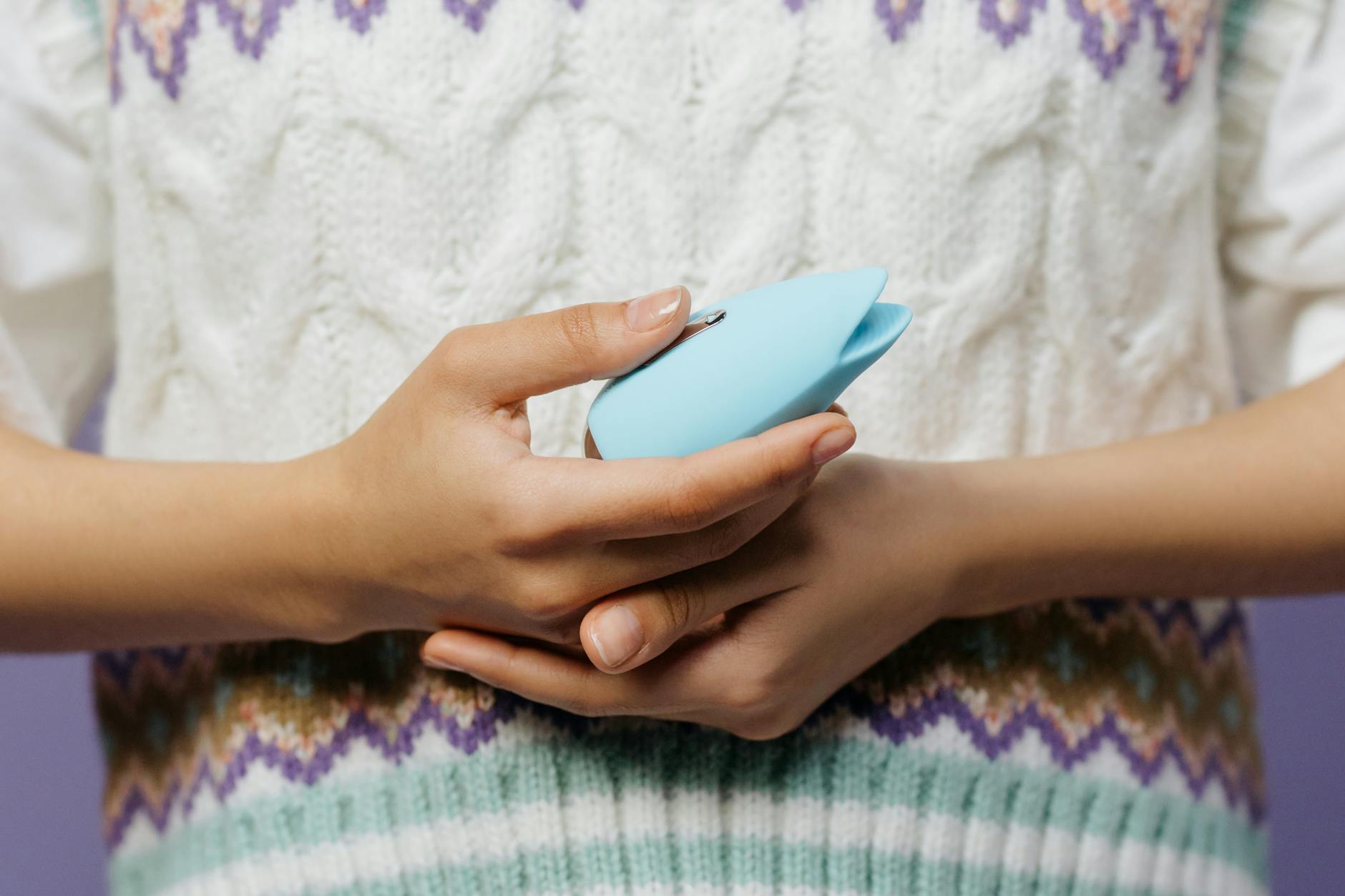
This is where air-suction technology like the Lem vibrator becomes a game changer. Instead of relying purely on vibration, air-suction devices create a seal and use gentle pulsing suction to stimulate the clitoris. The mechanism is different: it's less about buzz and more about pressure and release. For people on SSRIs, this non-vibrational approach often creates sensation that feels sharper, more localized, and genuinely pleasurable instead of numb.
Research into air-pulse stimulation shows that it engages different nerve pathways than traditional vibration. When sensory response is chemically dampened, activating alternative neurological routes can restore intensity and pleasure without requiring increasingly aggressive stimulation.
The lemon clitoral vibrator uses suction and pulsing rather than sustained vibration. Your clitoris has roughly 8,000 nerve endings concentrated in a small area. When one pathway (vibration response) is dampened by medication, air-suction activates different receptors and pressure-sensitive nerves. Many SSRI users report that suction-based stimulation cuts through medication fog in ways traditional vibrators never did.
2. Sensation you can actually feel
With standard vibration, you often need to crank the setting higher and higher to feel anything. The lem vibrator's pulse patterns feel more intentional and rhythmic to people with reduced sensitivity. Users describe sensation that feels "direct" rather than "buzzy," which matters enormously when your baseline sensitivity is already compromised.
3. Shorter warm-up time
SSRIs extend the time it takes to reach arousal and orgasm. Many users need 30, 45, or even 60 minutes of stimulation to reach climax. Air-suction devices tend to work faster for SSRI users because they're activating sensation differently. This isn't magic. It's neurotech meeting chemistry.
If you're currently on an SSRI and considering trying air-suction stimulation, here's what actually helps.
Start with pattern 1 or 2, not high intensity. The whole appeal of air-suction is that it works differently, not harder. You might discover you need less intensity, not more, because you're hitting different nerves. Resist the urge to jump to settings 7 or 8.
Use water-based lubricant even if you think you don't need it. SSRIs can reduce natural lubrication. Lube makes the seal more effective, which makes suction work better. It's a 30-second addition that genuinely changes the experience.
Budget 20 to 30 minutes for sensation building. SSRIs slow everything down. That's not a flaw in the toy or your body. That's the medication doing its job. Patience isn't resignation. It's alignment.
Explore during times when medication levels are stable. SSRIs peak in your system at different times depending on when you take them. Most people find that sensation is most accessible 4 to 6 hours after their morning dose, when medication is at steady state. Experimentation here is useful.
Consider talking to your prescriber about timing. Some people work with their doctor to take their SSRI at a time that maximizes work hours and minimizes bedroom hours. Others find that a small dose adjustment helps without compromising mental health benefits. This is a legitimate conversation. Your doctor isn't going to be shocked.
If sensation remains completely flat even with air-suction tools, that's worth a conversation with your prescriber. Sometimes a different SSRI in the same class has fewer sexual side effects. Sometimes lowering the dose slightly (while monitoring mood) opens sensation without sacrificing stability. Sometimes adding a second medication specifically to counter sexual side effects (like bupropion or buspirone) works.
None of these decisions should compromise your mental health. The point is that sexual response is important enough to address directly, not just accept as collateral damage.
Many people on SSRIs internalize sexual flatness as a sign they're broken or that they've sacrificed pleasure for stability. That story needs to change. You're not broken. Your brain chemistry has been rebalanced to save your life. That rebalancing has side effects. Those side effects are solvable.
Many people find that trying a different approach (like a lemon clitoral vibrator if they've only used traditional vibrators) reignites hope. You're not starting from zero. You're starting from "medication changed something," which means medication isn't the only variable you can adjust. Tools matter. Approach matters. Patience matters.
SSRIs are worth their side effects for mental health. And your sexual life is also worth protecting. Those two things don't have to compete.
Lemon vibrators represent one concrete option for people on SSRIs who want to rebuild sensation without abandoning the medication that stabilizes their mind. Air-suction technology engages your nervous system differently than traditional vibration. For many SSRI users, that difference is the difference between numb compliance and actual pleasure.
Your body hasn't forgotten how to feel good. Your brain chemistry is just processing sensation differently. That's a solvable problem.
Yes. Different medication combinations affect sensation differently, but the underlying mechanism is the same: serotonin regulation dampens sexual response. Air-suction stimulation works through a different nerve pathway, so it may help regardless of your specific medication stack. Start gently and pay attention to what feels different, not just intense.
Most people notice a difference within the first 2 to 3 sessions. Some feel it immediately because they're activating different nerve pathways. Others need a few tries to adjust their expectations and discover where sensation does exist. Give yourself at least three dedicated sessions before deciding whether air-suction works for you.
Higher doses generally flatten sensation more. Your nervous system doesn't really "adapt" to sexual side effects the way it might adapt to nausea or fatigue. That said, some people find that extending their SSRI regimen (being on it for months or years) allows their body to gradually rebuild some baseline sensitivity. If sensation loss is severe, talk to your prescriber about dose timing or switching medications rather than expecting your body to adjust.
It's both. Mechanically, air-suction activates different nerve clusters than vibration. Psychologically, trying something new when you've felt stuck creates hope and engagement, which genuinely improves sexual response. The neurological difference is real. The placebo effect is also real. Together, they create actual pleasure restoration.
Absolutely. The most effective approaches layer multiple strategies: air-suction tools, extended foreplay, lubrication, medication timing awareness, and sometimes partner communication about what's changed. Some people also find that mindfulness or sensation-focus exercises (where you deliberately slow down and notice small sensations) help cut through medication fog. No single tool solves it alone. Combinations work best.
Yes. If you're partnered, this conversation is foundational. Many people assume sexual flatness means their partner is no longer attractive or the relationship has problems. It's neither. It's chemistry. Being clear about that prevents unnecessary relationship conflict and opens space for both of you to problem-solve together instead of blaming each other.
If you're exploring lemon adult toys for the first time after SSRI-related pleasure loss, start with curiosity instead of expectation. The lem vibrator and similar air-suction devices represent a genuinely different approach. You might discover sensation you didn't know was still available.
Your mental health stability matters deeply. Your sexual pleasure also matters deeply. You don't have to choose between them. You just have to be willing to explore what's possible when you change your approach.
Questions about how to get started, or wondering whether this approach might work for your specific situation? Reach out to us at /contact. We're here to help.