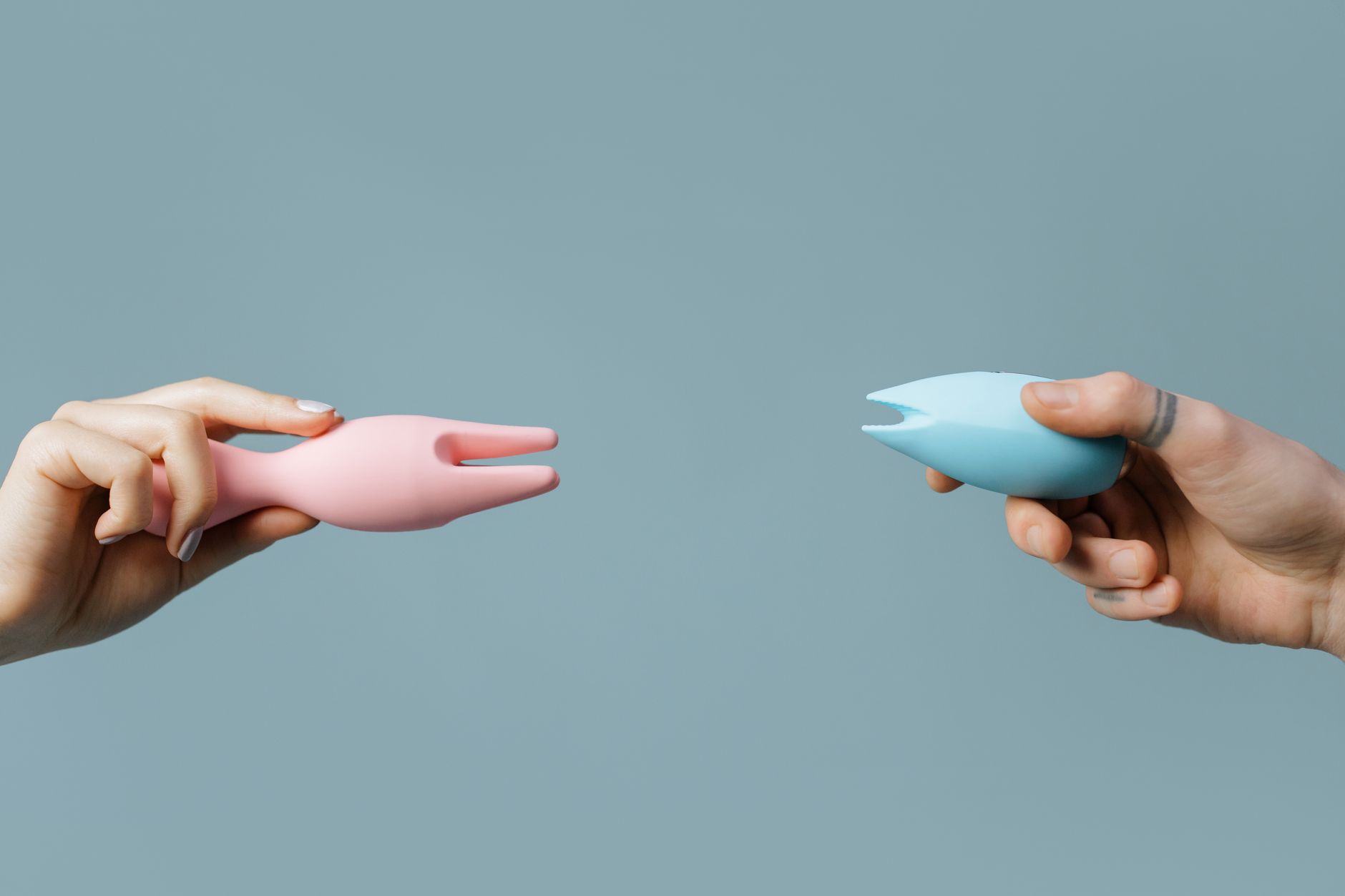
How to Use a Lemon Vibrator During Ovulation for Stronger Sensation
Your pleasure peaks aren't random. Around ovulation, clitoral tissue swells, blood flow increases, and sensitivity sharpens. Here's how to sync your lemon sucker with your cycle.
Honestly, most people don't realize their body experiences measurable shifts in pleasure capacity across the menstrual cycle. You're not imagining it when sex feels different week to week. Estrogen and testosterone both rise sharply during the five days leading up to ovulation and peak right around day 14 of a typical 28-day cycle. When those hormones climb, so does clitoral blood flow, tissue thickness, and nerve sensitivity.
That's not a small thing. It means the same lemon vibrator setting that feels perfect during your period might feel underwhelming during ovulation, or intense to the point of discomfort just before your period starts. Learning to adjust is the difference between a decent experience and one that actually mirrors what your body is capable of.
Your body is biologically primed for heightened sensation around ovulation. Estrogen surges, which increases vaginal lubrication and makes clitoral tissue plump and responsive. Testosterone climbs too, which directly amplifies desire and the pleasure signals your brain receives. Blood flow to the genitals increases by up to 40 percent during the follicular phase leading into ovulation, according to research on sexual response cycles.
What does that feel like in practice? Many people report that their most intense orgasms happen in the three to five days around ovulation. The same stimulation that would take ten minutes on day 7 of the cycle might take three minutes on day 14. Your sensitivity isn't becoming less discriminating; it's becoming more responsive.
You don't need an app or ovulation sticks, though those help. Three physical signs usually show up in the two to three days before ovulation peaks: cervical mucus becomes clear, stretchy, and egg-white-like; your basal body temperature (if you track it) dips just before a tiny rise; and you might feel a slight twinge or pressure in the lower abdomen on one side.
Many people also notice increased libido, more orgasmic thoughts, and heightened sensitivity to touch during this window. Your body is literally signaling readiness. That's when experimenting with your lemon vibrator makes sense.
If you normally use your lemon vibrator on patterns 2 or 3, try starting at pattern 1 during ovulation. The heightened sensitivity means lower intensity settings often feel more intense than they do the week before. You're not going backward; you're matching the tool to your body's current state.
Try these adjustments:
Start lower, go slower. Begin at the gentlest pattern and spend extra time on indirect stimulation (over the hood of the clitoris rather than directly on the glans). Your body will tell you when it's ready for more intensity.
Warm up differently. Use longer foreplay, more manual stimulation, or gentle patterns for a full 10 to 15 minutes before moving to your preferred intensity. Even though your body is hormonally primed, the pace of arousal is still personal.
Vary the pattern, not the intensity. Many people find that switching between patterns at the same intensity level feels better during ovulation than jumping straight to a higher setting. The Lem offers multiple pattern options; use them.
Pay attention to pressure. You might find that light pressure (not pressing the device directly against your body) feels better during ovulation than during other phases. Experiment with angle and contact.
Using the same settings regardless of where you are in your cycle isn't wrong, but it's leaving pleasure on the table. Using a higher intensity setting during your peak ovulation window than your body actually wants can lead to over-stimulation, desensitization, or discomfort that makes you want to stop when you're actually capable of more nuanced sensation.
Conversely, sticking with lower settings throughout the month means you're undershooting your potential during the window when your body could access deeper or more intense pleasure. It's like dimming a light during the day and keeping it at the same brightness at night. The room needs different things at different times.
If you have a partner, your ovulation window is often when desire alignment is easiest. Many partners experience increased attraction during this phase too (research suggests we're more attractive to partners when we're ovulating, thanks to subtle shifts in scent and behavior). This is a good time to be intentional.
You might tell your partner: "This week, I want to slow down more than usual" or "I'm noticing I'm more sensitive right now, so let's start at a lower pattern." That conversation isn't a complaint about your usual rhythm; it's you giving real-time feedback about what your body needs. Partners often find this clarifying because it removes guessing.
I recommend keeping a simple note: when you used your lemon vibrator, which day of your cycle you were on, which pattern and intensity, and how that felt. After two or three cycles, patterns emerge. You'll know that pattern 3 during your period feels like pattern 1 during ovulation. You'll know whether you prefer more foreplay during ovulation or if you're ready faster.
This isn't about performance or comparing yourself to anyone else. It's about building a personal map of your own pleasure. The more you know, the less guessing you do.
Your ovulation window typically lasts three to five days. That's when your body is most capable of intense sensation, fastest arousal, and deepest orgasms. Knowing this, you might prioritize solo exploration or partner time during this phase. Some people find it helpful to schedule intentional pleasure time (even just 15 minutes alone with their lemon sucker) during this peak window, the same way they'd schedule a workout or a favorite activity.
Your cycle isn't a limitation. It's a rhythm with peaks and valleys, and knowing how to use those peaks is how you actually access your full pleasure potential.
Yes, absolutely. Using a vibrator during your fertile window doesn't interfere with conception. In fact, some research suggests that orgasm during ovulation might improve sperm transport. Just communicate with your partner if you're timing intercourse, and use the vibrator in whatever way feels good.
Hormonal fluctuations across your cycle directly change tissue thickness, blood flow, and nerve sensitivity. The same vibrator will feel noticeably different during different phases because your body is actually different at those times. It's not a product problem; it's biology working as intended.
Completely normal. Testosterone peaks during ovulation and directly increases desire for more intense stimulation. Many people find they naturally gravitate toward higher intensity or faster patterns during this phase. Your body is signaling what it needs.
If you're on hormonal birth control, your ovulation cycle is suppressed, so these peaks won't happen as dramatically. You might still notice subtle shifts in sensitivity, especially if you take a pill with a placebo week. If your cycle is irregular, tracking cervical mucus or basal temperature (even informally) can help you identify your approximate ovulation window. For some people, the shifts are quieter; that's okay. Use what you notice.
Sure. Some people find that pairing a lemon sucker with internal stimulation or a vibrator on a different setting feels great during ovulation because the heightened sensitivity means more nerve endings are activated. Start with what you know works, then experiment with addition rather than replacement.
Faster arousal during ovulation is due to the surge in estrogen and testosterone, which increases clitoral blood flow and neural sensitivity. Your body literally reaches arousal states faster because the hormonal conditions are optimized for it. It's not that you're getting easier to please; it's that your biology is more primed for response.
Your menstrual cycle isn't something to work around when it comes to pleasure. It's something to work with. Understanding that your lemon vibrator will feel different across your cycle, and adjusting accordingly, is how you actually get consistent, satisfying results. Peak pleasure isn't random. It's rhythmic. And now you know when and how to access it.
If you want to dig deeper into how your body responds across your cycle, a therapist or coach can help you build a personalized pleasure map. Reach out at /contact if you'd like to talk through what you're noticing.