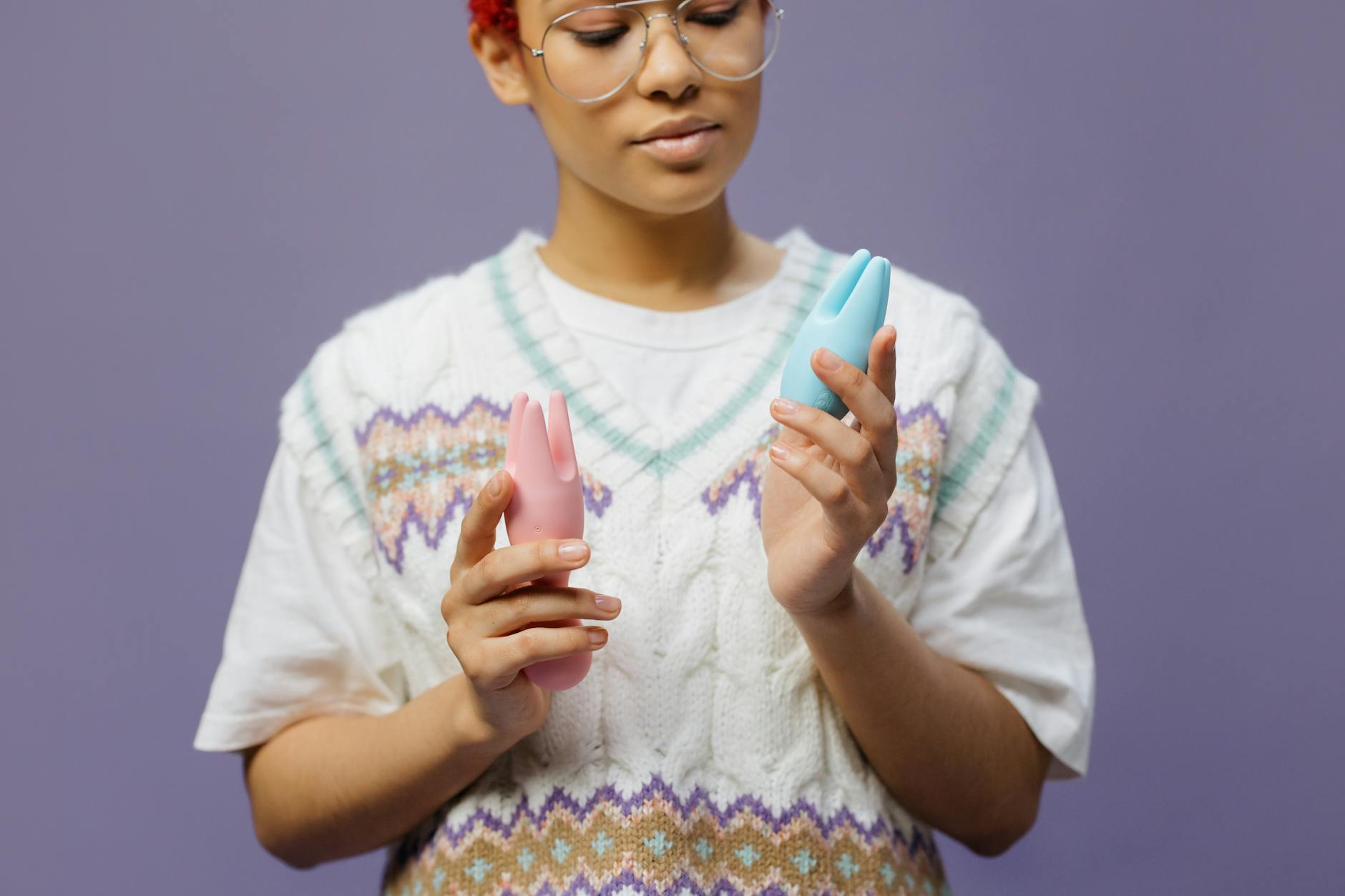
How to Use a Lemon Vibrator When Arousal Feels Physically Different Postpartum
Your body after birth is not broken. It's different. Here's exactly how lemon clitoral vibrators help you reconnect with pleasure on your own timeline.
Honestly? One of the most confusing parts of postpartum recovery is that your body can feel like a stranger when it comes to pleasure. Not because something is wrong. Because everything literally changed. Hormones dropped. Nerve endings reactivated unevenly. Blood flow redistributed. Your pelvic floor went through something.
And somehow everyone talks about sleep deprivation and bleeding but nobody mentions that arousal might feel completely different. Slower. Softer. Sometimes absent entirely. Then suddenly intense. The pattern isn't what it was, and that's terrifying if you weren't warned.
Here's what actually happens, and why a lemon vibrator (especially a lem vibrator) can be the single most useful tool in your postpartum pleasure recovery.
Your arousal system relies on several things all working together. Estrogen levels. Oxytocin. Blood flow to the genitals. Pelvic floor muscle tone. Nerve sensitivity. After birth, every single one of those resets.
Estrogen crashes immediately after delivery. It stays low if you're breastfeeding. This thins genital tissue, reduces lubrication, and slows the initial arousal response. Your pelvic floor either got stretched or cut, and even if healing is textbook perfect, the nerve pathways need time to recalibrate. Oxytocin is tied up in bonding and milk production, which pulls neural focus away from sexual response.
Then there's the sensory overload problem. You've spent nine months with a human inside your body, then went through the most intense physical experience possible, then immediately started being touched constantly by a baby. Your nervous system is in sympathetic overdrive. Pleasure requires your brain to shift into parasympathetic mode. That's harder than it sounds when you're running on broken sleep and hypervigilance.
The good news: this is temporary. Your body is not broken. It's recalibrating.
A lemon clitoral vibrator, and specifically a lem vibrator, works differently than traditional vibrators. Instead of vibration, it uses gentle suction and pulsing. This matters postpartum.
Here's why: your clitoral nerves are still there. Still functional. But tissue sensitivity is changing daily. Direct vibration can feel too intense, almost painful, when tissue is still healing and rebalancing hormones. Suction and pulsing stimulate those same nerves without the same mechanical pressure. It's like the difference between tapping someone repeatedly versus gently drawing them toward you. The sensation is completely different, but it reaches the same place.
Lemon sexual toys using suction technology also don't require the extended, consistent pressure that makes some postpartum bodies feel overwhelmed. You can use a lem vibrator for two minutes or ten. You can pause without losing the device. You have control.
For people rebuilding sensation after birth, that control is everything.
Doctors typically clear you for penetration at six weeks postpartum. But arousal and pleasure? That's on a different timeline entirely.
If you delivered vaginally with no complications, your clitoris itself wasn't injured. You can theoretically experience pleasure much sooner. But "can" and "want to" are different. Most people need twelve to sixteen weeks before sensation feels remotely normal. Some need longer. Breastfeeding extends this because ongoing hormonal shifts delay the return of estrogen.
Here's what I tell people: start slow with external stimulation around eight to ten weeks if you had a straightforward vaginal birth. If you had a C-section, you're often ready a bit sooner since genital tissue wasn't directly traumatized, though your nervous system still needs recovery time. If you had significant tears or an episiotomy, wait until your follow-up appointment and ask your healthcare provider directly.
When you do start, use a lemon vibrator by itself. No penetration. Just external clitoral stimulation. Your body will tell you what it's ready for.
Start with a completely clear head and body. Not during a feeding session. Not while you're running a mental load of baby tasks. You need your nervous system to have permission to relax, which is objectively hard with a newborn, but crucial for arousal.
Use a water-based lubricant. Postpartum genital tissue is often thinner and drier even if you're not breastfeeding. Lubrication isn't optional. It's practical.
Begin on the lowest suction setting. The lem vibrator has multiple intensity levels. Start at level one. Your tissue is more sensitive than it was before birth. What felt mild three months ago might feel overwhelming now. Your body will adjust, but you're building back up, not jumping back in at your old baseline.
Apply the lemon sucker gently to your clitoris. Most of the sensitivity is concentrated at the clitoral head and the area just above it. Start there. You're not looking for immediate arousal. You're looking for sensation. For your nervous system to remember what pleasure feels like.
Stay there for two to three minutes on level one. If nothing is happening, that's completely normal. Some postpartum bodies take eight to ten minutes to respond. Your patience is doing the work.
If arousal starts building, you can stay at that level or increase intensity. Pay attention to what feels good, not what you think should feel good.
Stop whenever you want. If you reach an orgasm, great. If you don't, that's also great. You're not recovering something you lost. You're rebuilding something new.
Do this alone first. Not because partnered pleasure is wrong, but because your partner's presence can add pressure (literal or psychological) that your nervous system doesn't need right now. Once you understand your postpartum arousal on your own terms, partnered pleasure becomes easier.
Pleasure postpartum isn't just physical. It's psychological.
Manypeople experience complex feelings about their body after birth. Disconnection. Resentment. Grief for what changed. Sometimes shame. Your body fed a human and kept them alive. It deserves reverence, not resentment. But it also deserves to feel good.
Using a lemon vibrator, alone, can actually help rebuild that connection. You're not performing arousal for anyone. You're not meeting someone else's timeline. You're literally getting reacquainted with your own nervous system. That matters.
If you have a partner, the conversation isn't "when can we have sex again." It's "I'm exploring my body's changes and rebuilding pleasure on my timeline. Here's how you can support that." That might mean you need solo time. Or you might want your partner nearby but not touching. Or you might need them to handle baby duty so you can even think straight. All of that is legitimate.
If you're at fourteen to sixteen weeks postpartum and arousal still feels completely absent, that's worth mentioning to your healthcare provider. It might be hormonal. It might be postpartum depression or anxiety, which absolutely affect sexual response. It might be that you need longer.
If physical sensation itself feels numb even at twelve weeks, ask about postpartum pelvic floor therapy. A specialized physical therapist can assess whether nerve function is delayed or if tissue healing needs support.
If pain appears during any sexual activity, stop immediately. Postpartum dyspareunia is real and treatable, often with topical treatments or pelvic floor work. Don't push through it.
Most importantly: you're not supposed to be back to your "old self" on any timeline. You're supposed to become a new self who has incorporated this massive life event. That self might experience pleasure differently. Often better. But it takes time.
No. Wait until postpartum bleeding has stopped completely. That's not just a practical thing. Your cervix is still healing and your uterus is still contracting back down. Any internal or external stimulation during this phase risks infection.
No. Pleasure and oxytocin release don't impact milk production. In fact, some people find that solo pleasure actually helps with milk letdown because they're more relaxed. But hormonally, breastfeeding does slow the return of estrogen, so arousal overall might feel muted. That's temporary.
That's actually common, especially if you're breastfeeding or if you had a particularly intense birth experience. Your nervous system is still resetting. Try the lem vibrator for longer sessions (ten to fifteen minutes on low settings). If numbness persists at four to five months, ask your healthcare provider about possible hormonal factors or whether pelvic floor therapy would help.
Completely normal. Low desire postpartum is partly hormonal and partly psychological. You're touched constantly. You might be touched out. You might have touched your own limits with pregnancy and birth. That doesn't mean you've lost the capacity for pleasure. It means you need time and space to reconnect with the idea that pleasure can exist for you, separate from feeding a baby or managing household tasks.
Yes, but this requires explicit conversation first. Using a lem vibrator on your vulva is external stimulation, which is lower-risk than penetration. But if you're not ready for any kind of sexual contact, penetration or not, that's what matters. Slow down. Talk about what would feel good. Sometimes a partner using the device feels less pressured than partnered touch. Sometimes it feels like more pressure. Only you know.
It will return to normal for your new postpartum body. But you might not want "normal" after this. Many people find that their capacity for pleasure expands postpartum once the acute recovery phase ends. Your nervous system is more resilient. Your sense of what your body can do shifted. That often translates to better pleasure, not worse. Be patient with the process.
Your postpartum body is not something to recover from. It's something to recover into. Using a lemon vibrator during that recovery is practical, grounded, and honestly one of the clearest ways to rebuild the conversation between your nervous system and pleasure.
Start small. Start alone. Be patient with the timeline. And know that what you're rebuilding is often richer than what came before. If you have questions about your specific postpartum timeline or recovery, reach out to your healthcare provider or a relationship specialist who understands postpartum changes. We're here to help you feel like yourself again.