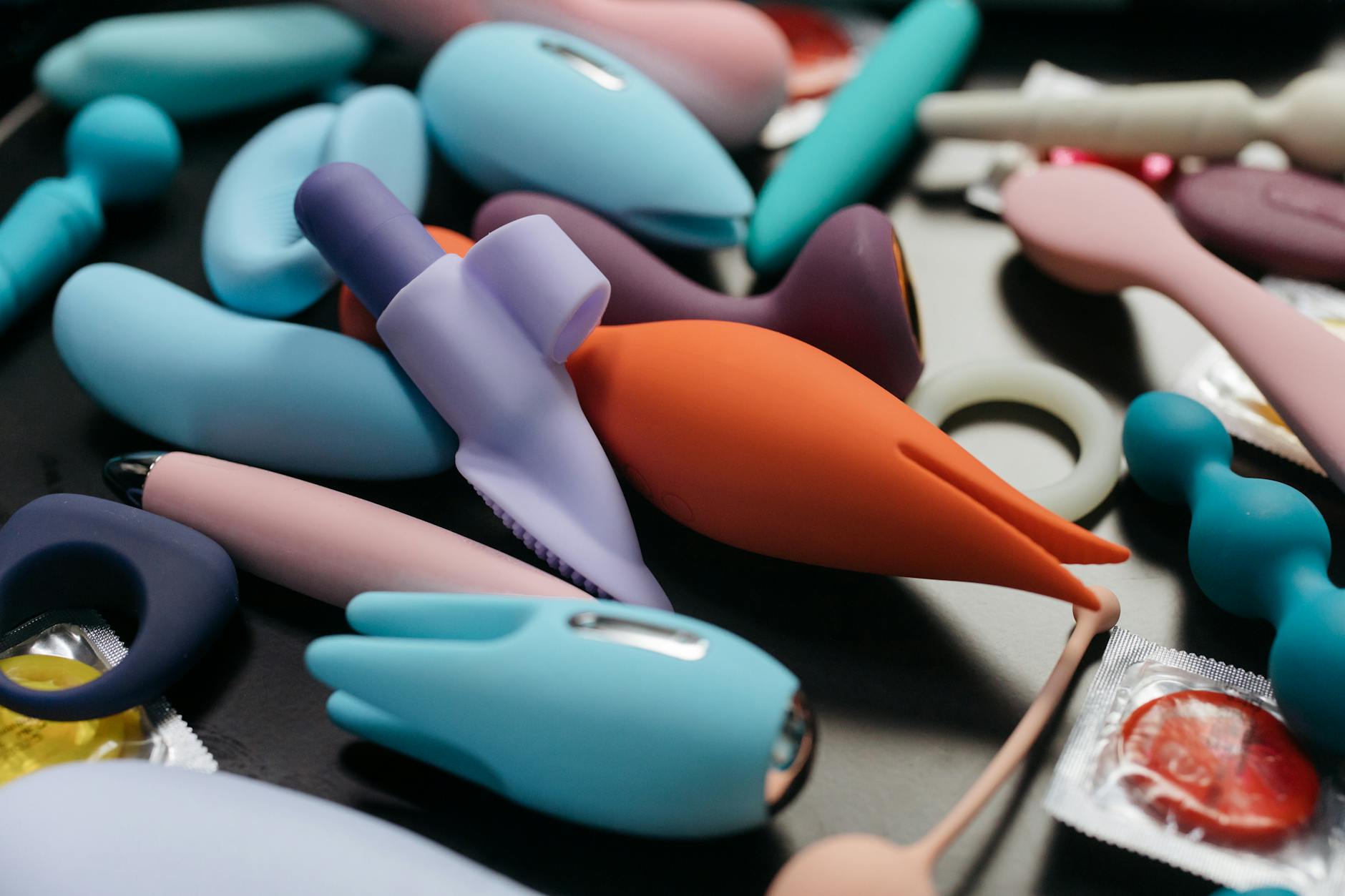
Let's be real about what changes
Orgasms aren't a fixed thing. They shift. Sometimes dramatically. You might remember them being sharp and all-consuming, and now they're more like a pleasant roll through your body. Or they're there, but you have to work twice as hard to get there. That shift is so common that most people think they've broken something. You haven't.
Intensity is tied to multiple moving parts: blood flow, nerve sensitivity, pelvic floor engagement, hormonal landscape, mental state, and what's happening in your relationship. When any one of those changes, the whole experience reorganizes.
Why orgasm intensity drops (the actual reasons)
This isn't about aging alone, though age does play a role. Here are the real culprits.
Hormonal fluctuations: Estrogen and testosterone both affect arousal quality and orgasmic response. Menopause, perimenopause, hormonal birth control, or even stopping it can reshape sensation entirely. For people in relationships, cortisol spikes from stress—whether it's work pressure or relational distance—actively suppress the parasympathetic nervous system that orgasms need to happen.
Pelvic floor tension: This one surprises most people. A tight pelvic floor actually prevents fuller sensation. Many of us unconsciously clench during arousal (especially if we're anxious or rushing). That tension paradoxically mutes the very feeling we're chasing. It's like trying to feel a soft touch while wearing winter gloves.
Sensitivity fade from friction-based stimulation: Traditional vibrators with constant vibration can numb nerve endings over time. Repeated direct friction desensitizes, which is why many people find they need more intense stimulation to feel the same response. It's tolerance, but not in a broken-forever way—it's solvable.
Relationship and attentional factors: When you're in the middle of a relationship transition, early in a new partnership, or dealing with unresolved distance, your nervous system stays slightly defended. Your body literally cannot access the same depth of release. That's not a sign of a problem with sex. It's a sign of a problem with safety or presence.
Medication side effects: SSRIs, blood pressure meds, antihistamines, and hormonal contraceptives can all flatten orgasmic response. Worth discussing with your prescriber if intensity drop coincides with a new med.
Why lemon vibrators work differently than what you've been using
Most vibrators use vibration alone—steady, repetitive waves against sensitive tissue. That works great until it doesn't. Your nerve endings adapt. You need more power. Soon you're chasing satisfaction with diminishing returns.
A lemon clitoral vibrator uses suction instead. Suction stimulates nerves differently than vibration. It's not friction-based, so it doesn't numb with repeated use. Instead of numbing, suction creates a dynamic pressure wave that engages deeper nerve clusters. For many people, that sensation feels completely fresh, even if they've been using vibrators for years.
That's why people often report that using a lemon vibrator or lem vibrator feels like discovering sensation they'd thought was gone. It's not that sensation disappeared. The stimulation method had just become predictable to their nervous system.
The practical adjustments that restore intensity
Start with pelvic floor awareness. Before using any toy, spend three minutes consciously relaxing your pelvic floor. Not squeezing, not holding. Relaxing. You can do this lying down or in any comfortable position. Breathe into your belly. Imagine your pelvic floor softening. This single shift often restores orgasmic response more than anything else.
Use the lemon vibrator at lower intensity settings first. Most people default to high power. That's backward for someone experiencing dimmed sensation. Start at patterns 1 or 2. Let your nervous system reawaken gradually. Intensity will return faster with this patient approach than by pushing harder.
Extend your warm-up time. If you used to need five minutes to be ready, budget fifteen now. That's not a problem. That's your body communicating that arousal takes longer these days. Respecting that timeline—rather than fighting it—actually accelerates return to deeper orgasm. Rushed nervous systems produce shallow sensation.
Change the position or angle. The angle at which a lemon clitoral vibrator contacts your clitoris matters hugely. Directly on top might have worked at twenty-five. Now try side-to-side, from underneath, or with your legs in different positions. Small angle shifts sometimes unlock sensation you thought was lost.
Build in novelty and transition time. If you're partnered, the shift from partnered sex to solo use of a toy sometimes creates a jolt to the nervous system that prevents deeper release. Transition intentionally. Maybe use the toy during partnered sex first. Maybe use it solo when your partner is elsewhere. Let your nervous system adjust to the new stimulus without the complexity of simultaneous partner interaction.
When relationship distance is the actual issue
Here's something nobody talks about: if you're in a relationship where emotional or physical distance has grown, you could use the world's best lemon sexual toy and still feel muted sensation. Your nervous system is protecting you because the environment doesn't feel entirely safe or present.
That's not a vibrator problem. It's a relationship problem. In that case, focusing on connection—real conversation, time without screens, touch that isn't sexual—often restores orgasmic intensity faster than any toy adjustment.
If you're solo or your partnership is solid, that's not your obstacle. But if there's distance, it's worth naming.
The FAQ people actually have
Can a lemon vibrator actually restore sensation I thought was permanently gone?
Often yes, but not in the way you might expect. The sensation wasn't destroyed. The stimulation method you were using had become predictable to your nervous system. A lemon vibrator uses suction instead of vibration, which typically feels novel and more intense to nerve endings that have adapted to traditional vibration. That novelty alone can unlock response you thought was lost.
How long before I notice a difference with a lemon clitoral vibrator?
Most people notice a shift within the first few uses. Some experience dramatically stronger sensation immediately. Others need two to three weeks of consistent, unhurried use before intensity builds. Patience pays off here. If you're accustomed to instant high intensity, you're actually training yourself into tolerance. Slowing down reverses it.
Is it normal that my orgasms feel different after having used traditional vibrators for years?
Completely normal. Nerve endings adapt to repeated stimulation patterns. Switching to a different stimulus method—like a lemon vibrator or lem vibrator—often bypasses that adaptation. It's not damage. It's your body's nervous system doing exactly what it's supposed to do. Variety in stimulus reverses it.
Should I be using my lemon vibrator every day to restore intensity, or does that make things worse?
Consistent use actually helps restore sensation faster than sporadic use, as long as you're not pushing intensity. Using your toy three to four times per week with patience and lower settings outperforms daily high-intensity sessions. Your nervous system needs consistency but also recovery. It's like physical training. Steady, moderate practice beats sporadic extremes.
What if my partner thinks using a toy means they're not enough?
That's a conversation, not a sex problem. The most straightforward version: "Sensation has shifted for me, and this tool helps me feel more connected to my body. It's not about you not being enough. It's about me reclaiming something that's shifted." If your partner remains defensive, that's worth exploring deeper, possibly with a couples therapist. Pleasure toys aren't about replacing a partner. They're about restoring your own capacity for sensation when that's dimmed.
Can medication that flattens orgasm be adjusted if I've noticed a clear connection?
Yes. Talk to your prescriber. SSRIs especially have well-documented orgasmic side effects, and there are often adjustments—timing changes, dose tweaks, switching medications—that can help without sacrificing mental health benefits. Don't suffer in silence. Good prescribers know this is real and solvable.
What actually restores intensity
Orgasm intensity doesn't disappear permanently. It reorganizes. Using a lemon vibrator helps because it introduces novelty to a nervous system that's adapted to traditional vibration. Combined with pelvic floor relaxation, extended warm-up time, and honest attention to your relationship landscape, you often recover sensation that feels even richer than before.
Your best orgasms might still be ahead of you. The path there just requires patience and the right tools.
If something feels genuinely broken—pain during sex, complete inability to feel sensation, or sudden changes that don't match any life shift—talk to a gynecologist trained in sexual medicine. Most intensity shifts are solvable. Some need professional input. Both paths are fine.
Intensity returns. Trust the process, use lemon vibrators that work with your body instead of against it, and give yourself permission to explore slowly.