
Let's name what's actually happening
Your partner says they don't like toys. What they usually mean is one of four things: toys feel threatening, toys feel like you're replacing them, toys mean admitting something is wrong, or toys represent a loss of control. None of those things are true. But unless you separate the real concern from the resistance, you're just going to have the same fight again.
Here's what I know after years of working with couples: the partners who reject toys aren't rejecting pleasure. They're usually reacting to shame, comparison, or a shift in the dynamic they didn't consent to. Those are solvable problems.
The difference between resistance and refusal
Resistance is "I don't know about this" or "I'm worried it means something." Refusal is "No, and I won't discuss it." If your partner is actively refusing any conversation, that's a different article. But if they're hesitant, defensive, or cautious, that's actually workable.
Most of the time, what looks like "my partner hates toys" is actually "my partner is scared of what toys mean." A lemon vibrator, specifically, can be easier to introduce than traditional vibrators because it's smaller, less intimidating, and the suction sensation is so different from what your body can do that it doesn't feel like it's trying to replace you. It feels like it's amplifying what's already there.
Starting the conversation before the bedroom
Don't introduce a vibrator mid-intimacy. That's a betrayal, even if you mean well. Have the actual conversation first, and do it clothed, in daylight, on the couch. Here's what that conversation might sound like:
"I've been thinking about our sex life. I love what we have. I also want more for both of us. I've been researching clitoral vibrators, and I don't think they're about replacing you. I think they're about me getting better sensation, which actually means better connection between us. I'd like to try one together. Can we talk about what worries you?"
Then actually listen. Don't defend. Don't explain. Just listen to what the real fear is.
If he says "It makes me feel like I'm not enough," that's about his self-worth, not about the vibrator. If she says "I don't know how to use it," that's about not knowing her role. If they say "Toys feel cheap or fake," that's about a different association they carry. All of those are legitimate, and all of them can shift with the right framing.
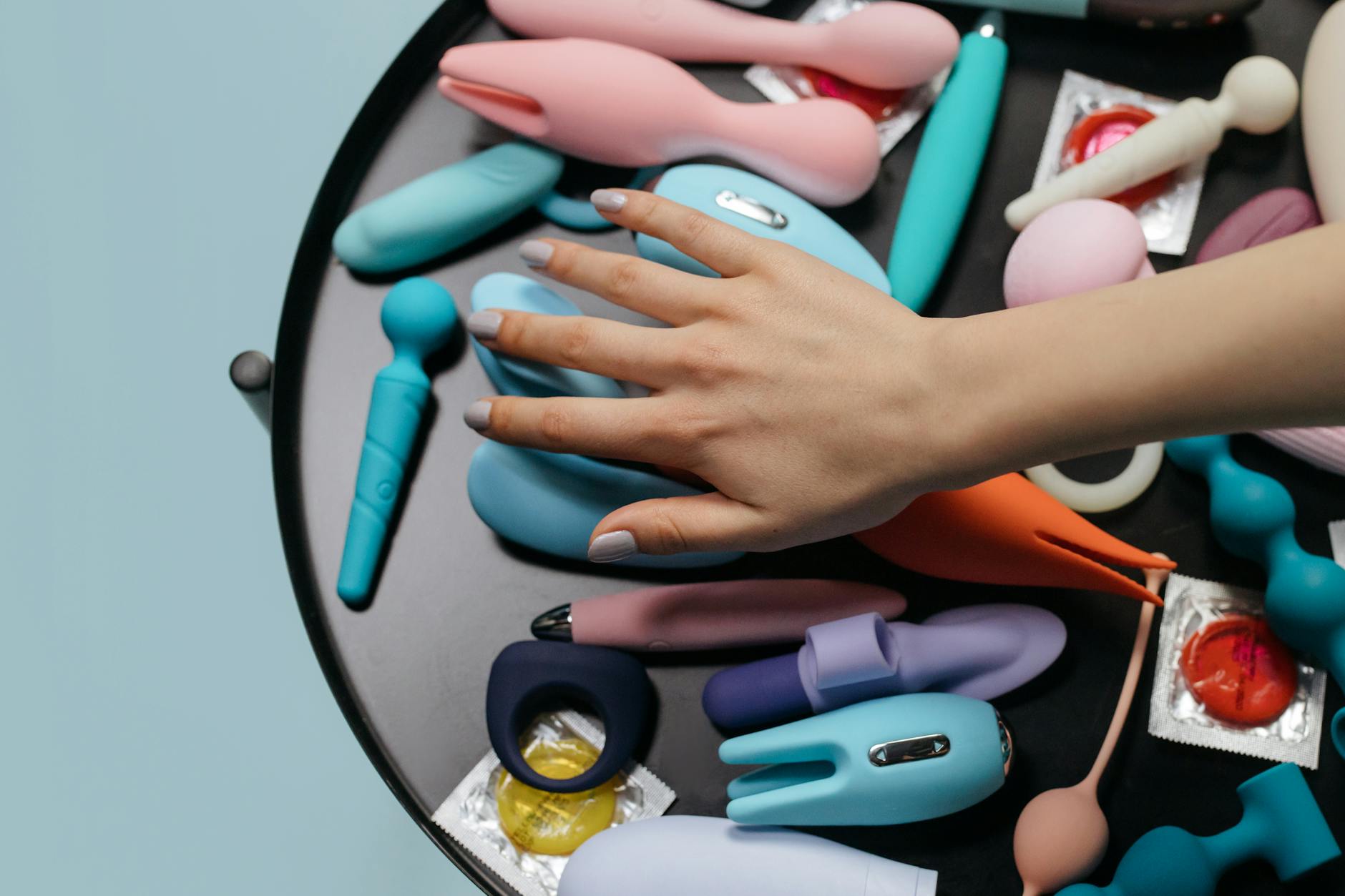
Photo by cottonbro studio on Pexels
Reframing what the toy actually does
This is the shift that changes everything. Don't say "I want to use this toy." Say "I want us to explore this together."
A lemon vibrator doesn't replace your partner's touch. It changes the type of sensation your body is receiving. When your partner understands that, the dynamic flips. Suddenly they're not being replaced. They're gaining access to a new way to pleasure you.
Frame it this way: "This isn't about you not being enough. It's about my body having a wider range of what feels good. That actually means more ways we can connect." Then show them. Let your partner hold the vibrator. Let them control the intensity. Let them see your response in real time. Most resistance dissolves when someone realizes they still have power in the dynamic.
Why a lemon vibrator works specifically here
A clitoral vibrator like the Lem is quieter and less visually aggressive than traditional vibrators. The suction sensation is so unique that it doesn't feel like it's mimicking any body part. Your partner can see it as an accessory to what they're already doing, not a replacement for what they're doing.
Start with the lowest setting. Have your partner watch. Have them use it on you while they're also touching you elsewhere. The key is staying connected while the toy is in use. That's the entire antidote to "it makes me feel replaced."
If your partner is willing, ask them to use it on you. This shifts the power dynamic completely. Suddenly they're the one in control of something new. They're introducing a new sensation to your body. That's leadership, not threat.
When shame is the real issue
Sometimes the resistance isn't actually about you. It's about your partner's own history with sexuality. They might have grown up hearing that toys are wrong, or frivolous, or something only "those people" use. That's shame, and it runs deep.
In that case, the conversation shifts. You're not trying to convince them that toys are good. You're saying: "I notice you seem uncomfortable with this. I'm wondering if there's something in your past that makes it feel wrong." And then you listen without fixing. Sometimes people need to talk through old messages before they can move forward.
This is also when couples therapy can be genuinely useful. Not because something is wrong, but because a neutral third party can help unpick the shame without defensiveness creeping in.
The integration phase
Once your partner has agreed to try, don't just pull it out during sex. Build up to it. Maybe use it while you're getting ready for intimacy. Show your partner how it feels on your own. Let them see your face when you use it solo. Let them understand that this is about amplifying your own pleasure, which is ultimately about deepening connection with them.
When you do use it together, keep talking. "This feels amazing." "I love that you're here while I'm feeling this." "I want you to see what this does for me." The narration is crucial. It keeps your partner in the loop and reminds them that they're not being sidelined.
Dealing with persistent resistance
If your partner genuinely refuses, and refuses to even discuss it, that's information. It might mean you need professional help to understand what's underneath. It might mean you need to have a bigger conversation about whether your sexual needs are compatible long-term. Neither of those conversations is comfortable, but they matter more than the toy itself.
What I know clinically is this: most people who resist toys initially come around when they understand that toys aren't about rejection. They're about expansion. Your partner gets to be part of that expansion, or they get to stay in their comfort zone. But the choice is theirs to make consciously, not through passive-aggressive resistance.
How to frame the first time
"I want to show you something. I'm going to use this, and I want you to watch. Then I want to know what you think. No pressure either way."
That's it. Keep it simple. Let them see your body respond. Let them feel included in the discovery. Most partners who watch their person experience genuine pleasure with a new tool become curious instead of threatened.
After, ask: "What did you notice?" Don't ask "Did you like it?" Notice is more neutral. They might say "I noticed you were really into it," which is actually them admitting the toy works. From there, the next step is natural.
The long game
This isn't a one-conversation fix. It's a series of small steps that build trust and normalize the idea that your body deserves sensation, and that your partner gets to be part of that journey. Some partners come around in weeks. Some take months. Some never fully embrace it, but they make peace with it happening. All of those are okay outcomes, as long as they're consensual.
What matters is that you stop treating the toy as a secret or a problem. It's not. It's a tool for your pleasure. Your partner either learns to see it that way, or they learn to live with it. But you get to have both: a partner and a vibrator. You don't have to choose.
People also ask
How do I introduce a vibrator to my partner without them feeling threatened?
Honesty is the foundation. Have the conversation outside the bedroom, when both of you are calm and clothed. Explain that you're interested in exploring more sensation, not replacing them. Offer to let them control the toy initially. Show them exactly what it does and how your body responds. Most partners feel less threatened when they see the reality instead of imagining it.
What if my partner thinks vibrators are unnatural or wrong?
That usually comes from old messages about sexuality. Ask where that belief comes from. Listen without defending. Sometimes people need to process shame from their upbringing before they can move forward. A therapist can help with this, especially if the belief is creating a wall in your sex life. You're not trying to change their values. You're asking if those values are still serving them.
Can a lemon vibrator help if my partner says I don't need one?
The framing "you don't need one" often means "I'm worried it means I'm not enough." Reframe it: "I want this because I want to feel more, which actually means deeper connection with you." Then show them. Let them be part of the experience. When your partner sees that a vibrator amplifies sensation rather than replacing them, the resistance usually softens.
How long does it usually take for a partner to accept vibrators?
There's no timeline. Some partners come around after one conversation. Others need months of small steps. Some take a wait-and-see approach. The key is stopping the cycle of secrecy or resentment. Once you're having honest conversations about pleasure, the rest follows. If someone is actively resistant after a few genuine attempts, that's information about a deeper incompatibility worth addressing.
Should I use the vibrator alone first, or introduce it with my partner present?
Both have value. Using it alone first lets you understand how it works and what you like. Then introducing it with your partner present lets them see your response and feel included. The order matters less than the communication around it. Don't use it secretly and then get caught. That's relationship damage. Be transparent about the experiment.
What if my partner wants to use it on me but I feel self-conscious?
That feeling usually comes from the same place their resistance does. You're both learning that pleasure isn't something you have to hide or be ashamed of. Start with the lights dimmer if that helps. Focus on breath and sensation instead of how you look. Your partner is already interested. They want to be there. Let them.
The path forward
Introducing a clitoral vibrator when your partner resists toys isn't about winning an argument. It's about building a shared understanding that your body deserves pleasure, and that your partner can be part of that story rather than threatened by it. That shift in perspective changes everything. Once you're on the same team instead of opposite sides, the toy becomes almost secondary. It's just the vehicle for a deeper conversation about what you both want from intimacy.
If your partner is willing to explore but needs guidance, the team at Official Hello Nancy is here. Check out our buying guide for more options, or reach out to contact us if you want to talk through your specific situation.