When desire disappears, resentment grows fast
Here's the thing no one tells you about mismatched libido: the person with lower desire doesn't wake up thinking "I'll reject my partner today." And the person with higher desire doesn't wake up thinking "I'll resent them today." But if you don't address it directly, that's exactly what happens over months and years.
I've worked with hundreds of couples navigating this exact territory. The pattern is always the same. One partner's libido tanks. Stress, medication, hormones, exhaustion, aging, depression. The reason doesn't matter right now. What matters is that the other partner feels abandoned, and the lower-desire partner feels pressured. Both are true. Both are painful.
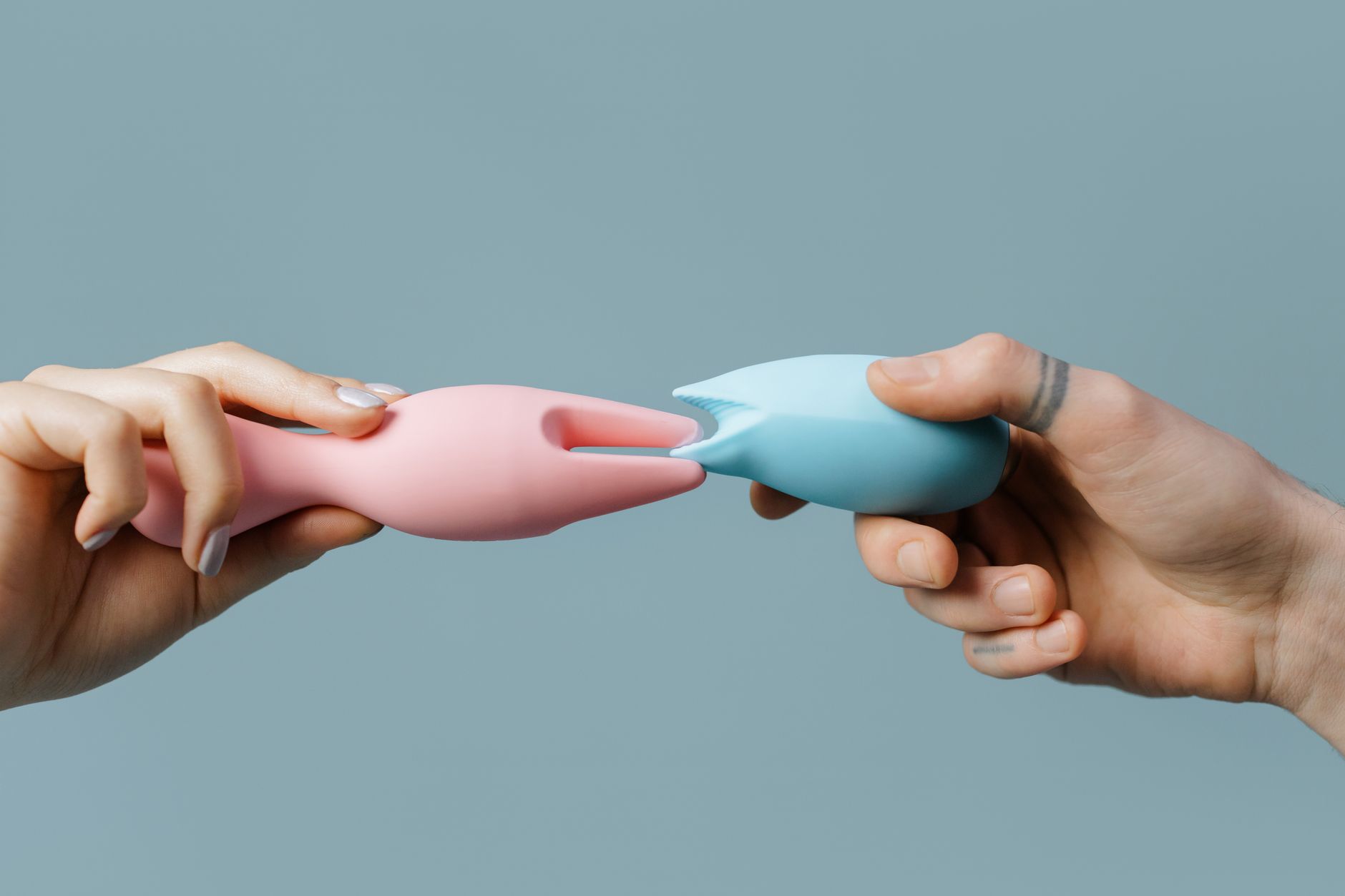
Here's what I've learned: a lemon clitoral vibrator isn't just about solo pleasure. When used thoughtfully, it can be a bridge back to desire for both partners.
Why libido drops and what it's actually about
Libido isn't a mood you wake up in. It's a physical capacity that requires fuel. Stress burns through that fuel like wildfire. So does depression, medication side effects, unresolved conflict, and the exhaustion of daily life. Aging changes how desire works too. Testosterone drops, circulating stress hormones stay elevated, and the body takes longer to transition from "off" to "on."
Here's what most partners get wrong: they think low libido means low attraction. That's almost never true. Your partner can love you desperately and still not want sex. These are separate systems. Separating them is the first step toward fixing both.
When your partner's desire has dropped significantly, the most dangerous response is to assume it's about you. It isn't. Pushing harder only digs the hole deeper. Backing away entirely can trigger its own resentment. What works is a third path.
Start with your own pleasure, not shared pleasure
This feels counterintuitive when you're in a partnership. Your instinct is to solve the problem together. But when libido is severely mismatched, trying to find pleasure together usually makes things worse. The lower-desire partner feels pressure. The higher-desire partner feels rejected. Everyone leaves frustrated.
Instead, I recommend starting separately.
Use a lemon vibrator for your own pleasure without expectation of your partner's participation. This accomplishes three things: it gives your body the stimulation it needs, it removes pressure from your partner, and it reframes pleasure as something you deserve, not something you're owed by your relationship.
This is not selfish. This is maintenance. You wouldn't expect your partner to meet all your emotional needs solo. Pleasure works the same way.
How to introduce a vibrator without it feeling like rejection
The conversation matters. Badly timed, it can sound like an accusation. Well-timed, it opens a door.
Pick a moment that's not sexual. Not in bed. Not when either of you is frustrated or tired. Neutral time, neutral space.
Say something like: "I've been thinking about us, and I think I need to take some pressure off both of us. I want to explore my own pleasure separately for a while. It's not about you. It's about me having options so I'm not waiting for something that feels harder for you right now."
The key word is "separately." Your partner may worry that vibrators are about replacement. They're not. They're about independence. Once they understand that, the resistance usually softens.
If your partner is hesitant, don't push. Reassure. "This isn't going anywhere without you. I just need this to feel okay on my own first."
The specifics: using a lemon vibrator when your body needs it most
A lemon clitoral vibrator is particularly useful in this scenario because it works fast and deliberately. You're not waiting around for arousal that may never peak. You're creating direct stimulation on the tissue that responds.
Start with pattern 1 or 2 on the Lem. Let yourself respond. Don't perform. Don't multitask. Just let your body do what it does.
Many people in mismatched-libido relationships have been holding their own pleasure hostage. They've learned to suppress or downplay desire because wanting sex felt like pressure or rejection. Using a vibrator alone gives you permission to want again, without waiting.
This matters more than you think. Desire can atrophy. Use it or lose it. A lemon vibrator helps you keep that alive while your relationship figures itself out.
When your partner might want to join, and when they won't
Something interesting happens after a few weeks of this. Many lower-desire partners begin to feel safer around sex again. When they're not being asked or expected to perform, they sometimes actually want to participate. Pressure lifts. Resentment eases. Curiosity might return.
If that happens, there's a way to invite them in that doesn't feel pushy.
You might say: "I'm noticing I feel less frustrated. I like having my own thing. But I'm also curious if you'd ever want to be in the room while I use this. No expectation. Just to be close."
That's fundamentally different from "Let's have sex" or "Use this with me." You're offering closeness without obligation.
Some partners will say no. That's fine. Some will say yes and just watch. Some will eventually want to touch you or participate. There's no timeline. There's no "should."
What if nothing changes
Here's the hard conversation you might need to have: if your partner's libido doesn't return, and yours doesn't align with theirs, you have a decision to make about your relationship.
That decision isn't something a vibrator solves. That's something therapy solves, or sometimes honest conversation about whether you're compatible long-term.
But you can't make that decision from a place of resentment or pressure. You need to have freed your own pleasure first. A lemon vibrator, used consistently and without shame, helps you do that.
You deserve to feel good in your body. Your partner deserves not to feel obligated. These two things can coexist.
The bridge back to desire
When libido drops significantly, sex becomes a source of conflict instead of connection. Using a lemon clitoral vibrator separately from your partner doesn't "solve" low libido. But it removes the pressure cooker, which is often the first step toward desire returning naturally.
Your pleasure matters. Your partnership matters. These don't have to be at odds.
Frequently asked questions
Can using a vibrator alone make my partner feel replaced?
It can feel that way at first, which is why the conversation is important. Make it clear that you're taking care of your own needs because you love them and don't want to resent them. Most partners, once they understand it's not a replacement, eventually feel relief. The pressure's off.
Should I hide my vibrator use from my partner?
No. Secrecy breeds suspicion and shame. A lemon vibrator is a tool, not an affair. Use it openly and matter-of-factly. If you feel like you have to hide it, that's a sign you need a conversation with your partner about boundaries and trust, not necessarily about the vibrator itself.
What if my partner says vibrators are "cheating"?
That belief usually comes from deeper insecurity or a misunderstanding of what intimacy means. This is worth exploring together, ideally with a therapist. Pleasure is not infidelity. Solo pleasure especially is not infidelity. If your partner can't move past that belief, you might need help from someone trained in sex-positive relationship work.
How often should I use a lemon vibrator if my partner's libido is low?
As often as you need to. This isn't about moderation or compromise. This is about you having access to your own body's needs. Some people use a lemon vibrator a few times a week. Some daily. There's no "too much." The goal is to keep pleasure alive in your body while you and your partner work on the relationship.
Will a lemon vibrator eventually help my partner want sex again?
Maybe. Maybe not. It depends on why their libido dropped. If it's stress or medication, things might improve. If it's deeper relationship issues or ongoing depression, that needs professional support. The vibrator isn't a fix. It's a way for you to stay okay while you figure out what's actually happening.
What if my partner wants to use a lemon vibrator together but they rarely initiate?
That's actually common. Some lower-desire partners feel less pressured if they're participating in something you've started. It lowers the stakes. They can focus on sensation instead of "performing" desire. Try it. If it helps, that's useful data. If it doesn't, that's useful data too.
The real work starts with talking
A lemon clitoral vibrator is a tool, not a therapist. What you actually need is an honest conversation with your partner about what's happening, why, and whether you're both willing to work on it.
If you are, start separately. Rebuild your own pleasure. Remove the pressure. Then see what happens. Most couples find their way back to desire once they stop fighting about it.
Your pleasure matters. Your partnership matters. Both can be true at the same time.