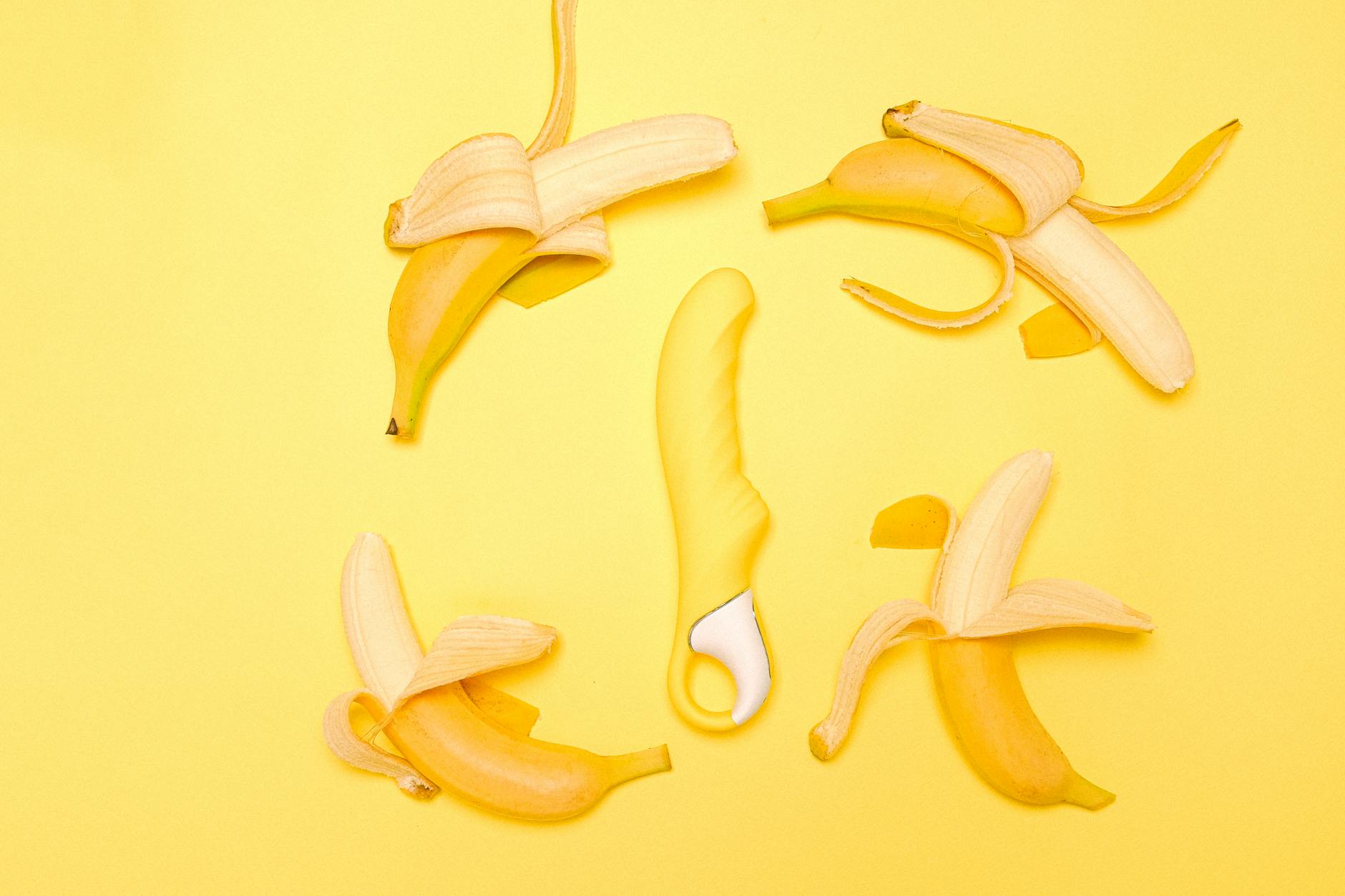
Let's be real about what stress does to desire
When a relationship gets rocky, your nervous system doesn't care about the details. Conflict, emotional distance, unresolved arguments, feeling unseen by your partner. Your brain reads all of it the same way: threat. And when you're in threat mode, arousal isn't just difficult. It feels impossible. Your body literally deprioritizes pleasure in favor of protection.
I see this pattern constantly in my practice. Couples come in after months of tension, and the first thing they report isn't just low libido. It's numbness. A strange disconnection from their own body. They can't access arousal even when they want to. Even alone.
The nervous system part (why touching yourself feels weird)
Stress and conflict activate your sympathetic nervous system. Your body tightens. Blood flow concentrates around your core and limbs, away from your genitals. Cortisol and adrenaline spike. Oxytocin (the bonding and pleasure hormone) plummets. The neural pathways for arousal get quiet.
What makes this worse is shame. You feel broken because you can't get turned on. The shame itself becomes another stressor. Arousal requires a relaxed nervous system, so the cycle deepens. You avoid touch because it feels foreign. Avoidance extends the numbness.
This is where a lemon vibrator does something different than partner touch can, at least initially. It removes the pressure of reciprocity. It removes the need to perform. You're not touching yourself to connect with someone else. You're touching yourself to reconnect with yourself.
Why lemon vibrators work better for stress-numbed sensation
A clitoral lemon vibrator, with its soft suction action rather than direct vibration, creates a gentler re-introduction to sensation. You're not forcing arousal. You're inviting it back.
Three reasons this matters after relationship stress.
The suction mechanism doesn't demand readiness. Traditional vibrators need your tissue to be somewhat receptive. With a lemon vibrator's gentle suction, you can start at the lowest settings and build slowly. This is crucial when sensation feels locked away. You're not pushing through numbness. You're coaxing it open.
The pattern variety keeps you present. Stress and numbness love repetition. Your mind wanders. With a device like the Lem offering multiple patterns, you stay engaged. You're exploring sensation, not just enduring it. Your brain stays in the present moment instead of spiraling into relationship thoughts.
Solo sensation is different from partnered sensation. When you use a lemon vibrator alone after relationship conflict, you're rebuilding your own pleasure map. You're remembering what your body wants without negotiating. This is foundational. You can't authentically reconnect with a partner if you've lost connection to yourself.
The practical steps to rebuild sensation
Start small. I mean this literally. If you're coming off weeks or months of numbness, your body needs permission to go slow.
Pick a time when you're alone and not immediately after a conflict conversation. Your nervous system needs to be somewhat regulated already. Not blissed out, but not activated either. Afternoon or early evening usually beats late night when your body is already depleted.
Use water-based lubricant. Even a small amount. Stress tightens everything, including your tissues. Lubrication is honoring that reality, not fighting it.
Start at pattern 1 on the Lem. This isn't a test to see if you can reach orgasm. This is reconnaissance. You're checking in with your body. What does sensation feel like? Does it feel numb, tingly, resistant, or open? There's no wrong answer. You're collecting information.
Set a timer for 10 minutes. Not to rush yourself, but to give yourself permission to stop. When you're rebuilding trust in your body after numbness, a defined endpoint prevents the spiral of "why isn't this working." You use the device for 10 minutes. You notice what you notice. You're done.
Do this three to five times before you add anything else. Before you increase intensity. Before you involve your partner. You're establishing a baseline. You're remembering that your body can feel things again.
When to involve your partner in the process
Here's where couples often mess up. They try to turn this into partnered sex too soon. They think "if we use a toy together, it will fix the disconnection." It won't, and it can make things worse.
After you've rebuilt solo sensation for a week or two, you can talk to your partner about it. Not during sex. Not as a prelude to sex. Just a conversation. "I've been using a device to help me reconnect with my body. I want to keep doing that. I also want us to eventually be close again, and I think this is helping me get there."
What you're communicating is: I'm taking responsibility for my own pleasure and sensation. I'm not waiting for you to fix what stress broke. This actually relaxes your partner too. They often feel the weight of trying to arouse you when you're numb. They interpret it as personal rejection.
When you're ready to use a lemon vibrator with a partner, the dynamic is different. You're not trying to prove you can get aroused. You're inviting them into your process. "Here's what helps me feel things again. Come sit with me." That shifts from performance pressure to genuine connection.
The emotional layer (which matters more than the physical)
Using a clitoral lemon vibrator after relationship stress isn't just about rebuilding physical sensation. It's about rebuilding trust in your own body and your own pleasure.
Conflict makes you doubt yourself. You question your desire, your needs, your sexuality. Did I ever actually want this, or was I just trying to keep the peace? A lemon vibrator interrupts that narrative loop by giving you direct, undeniable evidence that yes, your body can feel pleasure. Yes, sensation is still in there. You didn't lose it.
This is profound. Because once you know your pleasure wasn't destroyed by the conflict, you can start asking better questions. What do I actually want? What does my body need right now? How can I communicate that to my partner without making it their problem to solve?
When to seek additional support
If after two to three weeks of using a lemon vibrator you still feel completely numb, or if arousal comes with pain, that's a signal to check in with a healthcare provider. Sometimes numbness isn't psychological. It can indicate hormonal changes, medication side effects, or tension patterns that need physical therapy.
Similarly, if you're using the vibrator to avoid having difficult conversations with your partner, that's worth naming. A device can rebuild sensation. It can't rebuild communication. If the relationship stress isn't actually being addressed, pleasure will stay conditional and fragile.
But if the stress was situational, the conflict is being worked through, and your nervous system is starting to relax, a lemon vibrator can be exactly what your body needs to remember how to want things again.
FAQ: Reconnecting with pleasure after relationship stress
How long does it typically take to feel pleasure again after relationship conflict?
It varies widely. Some people feel shifting in two to three weeks. Others take months. The timeline depends on the severity of the conflict, whether the relationship issues are being addressed, and your personal nervous system sensitivity. I typically see changes first in your ability to feel sensation even without orgasm. That's often the earliest sign your system is regulating. Patience matters here more than performance.
Can I use a lemon vibrator if I'm still angry at my partner?
Yes, absolutely. Solo pleasure isn't a reconciliation gesture. It's nervous system care. You can be angry and also reconnect with your body. In fact, sometimes using a clitoral vibrator while you're still processing anger helps because you're honoring what your body needs right now, not waiting for emotional resolution that might take longer. Just don't frame it as foreplay with your partner until you're genuinely ready.
What if using a vibrator brings up more numbness instead of sensation?
This is more common than people admit. Sometimes the device highlights how disconnected you feel, which can feel worse initially. This usually means your nervous system needs more time to regulate before introducing sensation exploration. Take a break for a few days. Do other nervous system regulation first: walks, breathing work, talking to someone you trust. Try again when you feel slightly calmer, not because you're trying to force progress but because you're ready.
Is it normal to have orgasms with a vibrator but not with a partner after stress?
Completely normal. A lemon vibrator offers consistent, predictable sensation without the emotional weight of partner interaction. When you're rebuilding trust in your body, that simplicity can actually help you access orgasm more easily. As your nervous system relaxes around your partner and the relationship stress decreases, the gap usually closes. If it doesn't after several months of the relationship feeling stable, that's worth exploring with your partner or a therapist.
Should I tell my partner I'm using a lemon vibrator to reconnect after conflict?
I'd say yes, but frame it carefully. Not as "I'm doing this instead of being intimate with you" but as "I'm doing this to help myself feel like myself again, and I think it will help us eventually." Many partners actually feel relieved when they hear this because it lifts the burden of being responsible for your arousal. When you own your own pleasure, the pressure on both of you decreases.
Can a lemon vibrator replace couples therapy or communication work?
No. A clitoral lemon vibrator is a tool for individual nervous system regulation and sensation reconnection. The relationship stress itself needs to be addressed through honest conversation, possibly with a therapist. If you're using a device to avoid that work, it will feel hollow eventually. But if you're using it alongside doing the relational work, it can genuinely help your body keep up with your emotional progress.
Reconnecting starts with your own body
Relationship stress disconnects you from yourself first, and from your partner second. The path back isn't about forcing intimacy. It's about patiently inviting sensation and desire to return on their own timeline. A lemon vibrator, with its gentle suction and pattern options, can be exactly what you need to bridge that gap. Your pleasure matters. Your body's ability to want things matters. Start there, and everything else becomes possible.
If you're ready to explore reconnection more deeply, or if relationship stress is keeping you stuck, we're here to help. Reach out to us to chat about what might serve you best right now.