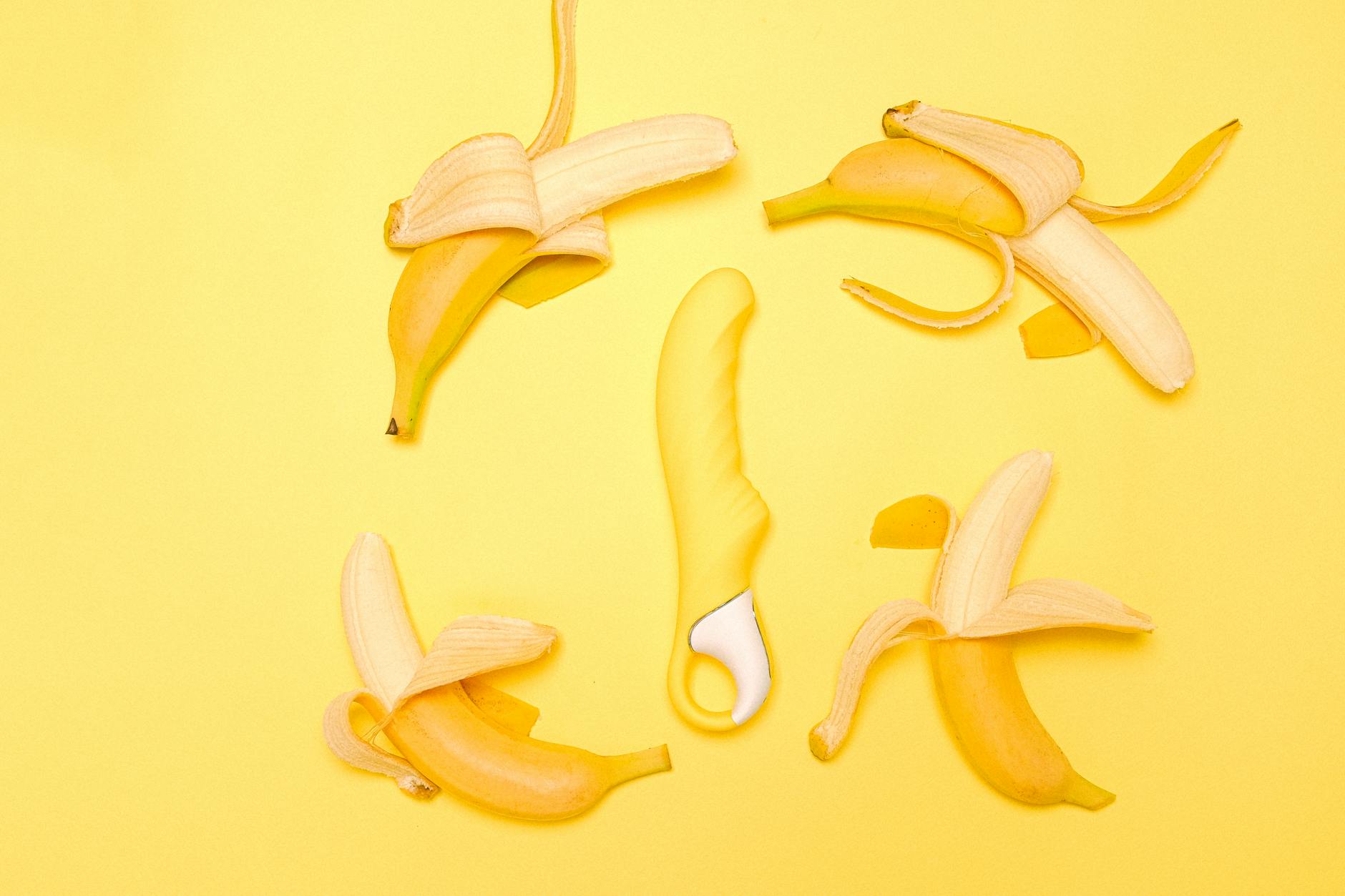
You've lost the ability to feel. Not everywhere. Just there. And the quiet is disorienting because pleasure used to happen automatically, and now your body's given you the silent treatment.
Here's what I need you to know: numbness is a symptom, not a diagnosis. Your nerve endings haven't died. Your capacity for pleasure hasn't vanished. What's happened is that your nervous system has gotten stuck in a protective posture. Stress, dissociation, medication, hormonal shifts, or relationship tension can all muffle sensation. The good news is that sensation can come back online. The better news is that a lemon clitoral vibrator specifically is one of the most effective ways to rewire that connection because of how it works neurologically.
Let's be clear about what we're talking about. Numbness during sex falls into three categories.
First, there's psychological numbness. You're physically present but mentally checked out. Your mind is running a grocery list or replaying a fight. This disconnection becomes a habit, and after a while, your body follows your brain offline.
Second, there's trauma-related numbness. Your nervous system has learned that sensation = danger, so it's shut down your sensory input as a protective move. This is common after sexual trauma, medical trauma, or any experience where your body didn't feel safe.
Third, there's neurological numbness. This is actual reduced sensation caused by medication (antidepressants and antihistamines do this), hormonal birth control, nerve damage, or conditions like diabetes or MS. Your nerve endings are less responsive to stimulus.
All three can happen at once. And all three respond differently to tools like the lemon vibrator.
Here's the technical part that actually matters. Traditional vibrators send rhythmic pressure through tissue. When your nervous system is in protection mode or when sensation is genuinely muted, that pressure might not register. You feel the vibration moving, but it doesn't feel good.
The lemon vibrator works differently. It uses air-suction technology that creates a gentle pulse around the clitoris without direct aggressive vibration. This does two important things.
First, it stimulates a different set of nerve fibers. Your clitoris has thousands of nerve endings, and not all of them respond to the same input. When some pathways are muted, others are still available. Suction activates broader nerve activation than vibration alone.
Second, suction is perceived as gentler by your nervous system. For people with trauma or anxiety around sensation, that gentleness matters. Your body doesn't brace against it the same way. This means your parasympathetic nervous system (the "rest and digest" side) can actually engage instead of staying locked in protection mode.
If sensation is completely flat right now, here's how I'd approach this.
First, create actual safety. This means a locked door, no distractions, and a partner who knows not to ask "did you come?" or check in constantly. Checking in is loving, but it pulls your attention outward. Your job is to turn inward.
Second, use the lowest setting. The Lem has multiple intensity levels. Start at level 1. You're not looking for pleasure yet. You're looking for sensation awareness. Can you feel it at all? Where do you feel it? If nowhere, that's information. Move the position slightly. Try a different angle.
Third, give yourself 20 minutes minimum. Numbness didn't happen overnight, and sensation won't return instantly. Twenty minutes gives your nervous system time to realize nothing bad is happening. Shorter sessions can reinforce the idea that you're "checking the box" rather than genuinely exploring.
Fourth, don't orgasm-chase. This is crucial. If you spend the whole session hunting for an orgasm that won't come, your nervous system learns that this is a failure situation. Instead, notice what does feel like something. Maybe your clitoris feels tingly. Maybe the warmth of your own hand feels grounding. Maybe you notice the material of the toy for the first time. That counts.
If you're on an SSRI, antihistamine, or hormone therapy and numbness started after you began the medication, talk to your prescriber. Seriously. There are often dose adjustments, timing changes, or alternative medications that restore sensation without sacrificing the benefits you're getting from the treatment.
In the meantime, lemon clitoral vibrators can help because they're still engaging your nervous system even when sensation is pharmacologically muted. Some of my clients find that using the Lem while on medication creates enough stimulation that pleasure becomes accessible again. It won't feel the same as before the medication, but it becomes real again.
If you've been numb during sex with a partner and they've noticed or internalized it ("she doesn't want me"), numbness becomes a relationship problem, not just a body problem. This is where using a lemon vibrator solo matters more than you might think.
When you rediscover sensation alone first, you get to own it without your partner's presence making it complicated. You're not performing pleasure. You're not managing their emotional reaction to your numbness. You're just meeting your own body again.
Once you've rebuilt that solo connection, partnered sex becomes different because you know sensation is possible. You can tell your partner what you learned. "I need more time," or "I need lower pressure," or "I felt something at this angle." That's data. That's something to work with together.
If your numbness is tied to sexual or medical trauma, a lemon vibrator can absolutely be part of healing, but not alone. Trauma requires a trauma-informed therapist, usually somatic therapy or EMDR. What the lemon vibrator does is give you a tool you control entirely. You set the pace. You choose when to stop. That autonomy is part of the rewiring.
I recommend starting with very brief sessions (5-10 minutes) if trauma is in the picture. Your nervous system needs to learn that touch is safe before you ask it to feel pleasure. The suction technology is helpful here because it feels less invasive than other toys.
Honestly? Rewiring sensation takes time. Some people feel the difference in two weeks. Others take two months. Your nervous system is protective for a reason. It's not going to flip a switch overnight.
What I tell my clients is this: use the Lem as an exploration tool, not a fix tool. You're not trying to force pleasure back. You're practicing being curious about your own body again. That curiosity is what brings sensation home.
If you've tried the lemon clitoral vibrator approach for six weeks and nothing's changed, see a pelvic floor physical therapist or a sex therapist who specializes in numbness. Sometimes numbness is solvable with other tools. Sometimes it needs professional support. Both are okay.
Yes, usually. Psychological numbness responds well to addressing the underlying stress or dissociation. Trauma-related numbness improves with therapy. Medication-related numbness often resolves with dosage adjustment or switching medications. Pure nerve damage is more persistent, but sensation can still return or improve significantly with consistent stimulation and time.
Sometimes. If you're coming out of dissociation, you might notice increased sensation that initially feels overwhelming. Your nervous system is remembering how to feel. That's progress, even if it's uncomfortable. But if pain develops or sensation becomes distressing, pause and talk to a therapist or doctor.
That's your call. If you're in a partnership where your partner has expressed concern about the numbness, honesty helps. Something like, "I'm noticing this too, and I'm working through it. Give me some space while I figure out what my body needs." If telling them will create pressure or judgment, you don't owe them a play-by-play of your solo exploration.
That's actually valuable data. It means you're getting clear feedback about what's not working. Sometimes that clarity is what helps you identify the real issue. If it's psychological numbness, you might need to address relationship stress or anxiety first. If it's trauma-related, the vibrator is showing you exactly what your nervous system still protects against.
Yes. Antidepressants can reduce sensation and orgasm capacity, but they don't make pleasure impossible. A lemon clitoral vibrator's suction approach often works better for people on SSRIs than traditional vibration because it engages broader nerve pathways. Some people also find that using it in the evening or adjusting when they take their medication helps. Talk to your doctor about timing if you want to optimize.
Phases are temporary and usually tied to a specific stressor. A bad week, a relationship tension, stress at work. Numbness that lasts more than a few weeks and isn't obviously tied to something external is worth investigating. That's when the Lem becomes a useful diagnostic tool, because it gives you clear feedback about whether sensation is truly muted or just disconnected from motivation.
Sensation is a learned skill as much as an instinctive one. Your body remembers pleasure, but it has to relearn trust. That's what consistent, patient exploration does. A lemon clitoral vibrator gives you a tool that works with your nervous system instead of against it.
Start low. Go slow. Notice what registers instead of hunting for climax. Give yourself weeks, not days. And reach out if you're stuck. Sometimes pleasure needs professional support to come home.