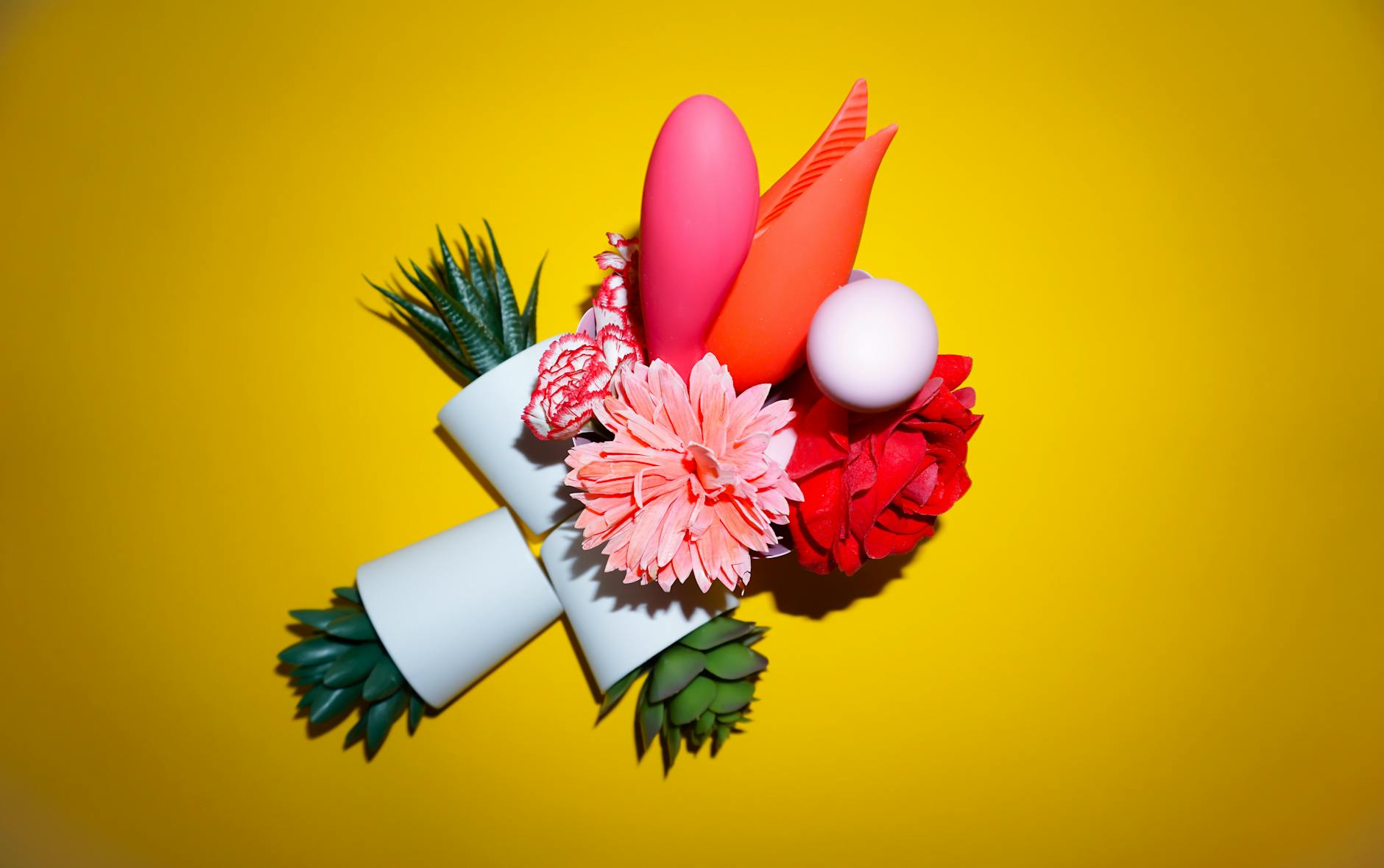
How to Use a Lemon Vibrator With Thin Sensitive Vulva Tissue After 40
Tissue changes after 40. Suction works differently. Here's exactly how to use a lemon vibrator when direct stimulation feels too intense or uncomfortable.
After 40, the tissue around your vulva gets thinner. This isn't weakness or failure. It's biology. Lower estrogen means less glycogen in the tissue, which means less natural lubrication and a thinner epithelial layer. That layer is what's always protected your nerve endings. When it thins, direct vibration can feel sharp instead of pleasurable. Or nothing instead of something. Or uncomfortable instead of anything else.
That's why a standard vibrator that felt perfect at 35 suddenly feels wrong at 45.
But here's the plot twist: this is exactly why lemon vibrators and suction toys work so differently for this body stage. The technology actually matches what your tissue needs now.
A traditional vibrator moves back and forth or in circles. It's friction on tissue that's now delicate. A lemon vibrator uses air suction instead. Think of it like gentle pressure and release, not scraping or pounding. The Lem and other suction-based clitoral vibrators stimulate the nerve endings without the mechanical stress that thin tissue struggles with.
I see this in my coaching practice constantly. Women say things like: "I thought I'd lost it. Turns out I just needed a different tool." It's not dramatic. It's practical.
Suction also distributes pressure more evenly across a wider area, which means no single point is getting hammered. That matters when tissue is fragile.
Before you even use a lemon vibrator, your body needs to be ready. Three things make the difference.
Water-based lube, always. This isn't optional. Thin tissue dries faster and friction builds faster. Silicone lube sits on top of skin. Water-based lube mimics your body's natural response and absorbs slightly, creating a glide layer that protects the tissue underneath. Use more than you think you need.
Warmth before intensity. Spend 15 to 20 minutes on non-clitoral touch first. Inner thighs, labia, the area around the clitoris. This brings blood to the area and plumps the tissue slightly. It's not foreplay theater. It's literal physiological preparation.
Extended arousal time. After 40, arousal doesn't cascade the way it used to. Your nervous system takes longer to downshift into pleasure mode. Budget 25 to 30 minutes, not 10. This matters for every part of what comes next.
Start at the lowest suction setting. Not setting 2 or 3. Setting 1.
With thin tissue, intensity isn't the goal. Sensation is. You can always go higher. You can't un-irritate tissue if you started too strong. The Lem and similar lemon clitoral vibrators have a learning curve here. The first time you use it, spend 5 to 10 minutes at pattern 1 or 2. Just get used to the sensation. It might feel like nothing. That's fine. Your nervous system is recalibrating.
After a few sessions at lower settings, you can experiment with patterns. Suction vibrators often have rhythmic or pulsing modes. These tend to feel better than constant suction for sensitive tissue because they mimic the body's natural response rhythm.
Never jump to settings 5, 6, or 7. That's not more pleasure. That's irritation dressed up as intensity.
With thin tissue, the line between pleasure and discomfort is narrower. Learn it.
Pleasure after 40 often feels different from what it felt like at 30. It's quieter. More concentrated. Sometimes more internal rather than at the surface. That's normal. That's not less. It's different.
Discomfort feels like burning, sharp pinching, or a raw sensation that doesn't fade. If you feel any of that, stop immediately. Remove the toy, turn off the suction, and give yourself 10 to 15 minutes of rest. You didn't fail. Your tissue is telling you the intensity is too high.
Some women find that using a lemon vibrator every single day for weeks creates micro-irritation. If you notice persistent rawness or if orgasms start to feel less pleasurable instead of more, take a break. Your tissue regenerates, but it needs a pause to do it.
I mentioned water-based lube above. Let me be specific about why this matters for suction devices.
Silicone lube is richer and longer-lasting, but many suction vibrators are silicone. Silicone lube can break down silicone toys. If your Lem or other lemon clitoral vibrator is silicone, use water-based only. If you're using a toy made of hard plastic or glass, silicone lube is fine, but water-based is still the safest choice.
Buy a bottle of good water-based lube and keep it near your bed. Cheap versions get sticky. Mid-range options stay slippery for 30 to 45 minutes. Test a brand for two or three sessions before committing to a large bottle.
If you're in a relationship, your partner might want to help. Here's what actually works.
The suction sensation is different when someone else is controlling it. You can't feel the angle the way you can when you're holding it yourself. So if a partner is going to use a lemon vibrator with you, start at setting 1 and communicate clearly. "Lower" or "stop" should be respected immediately. Not after the current cycle finishes. Now.
Many couples find that thin tissue and suction devices are actually a place where shared pleasure becomes easier, not harder. The focus shifts from "can I finish" to "what does this feel like." That shift often deepens intimacy. But only if communication is real.
Thin vulva tissue after 40 isn't a barrier to pleasure. It's a redirect. Why Lemon Vibrators Feel Different During Perimenopause covers hormonal shifts in detail, but the practical takeaway is this: your body hasn't stopped wanting pleasure. It's asking for a different delivery system.
Lemon vibrators, specifically, bridge that gap because suction technology was designed to work with sensitive anatomy. Not as a workaround. As an actual better match.
When you're using a Lem or similar lemon clitoral vibrator, you're not compromising. You're actually optimizing.
You've followed all of this and sensation still feels muted or uncomfortable. Three things to check.
Medications. Certain antidepressants, blood pressure meds, and antihistamines reduce blood flow to the vulva and decrease natural lubrication. If you're on any of these, talk to your prescribing doctor. Sometimes a timing adjustment or an alternative medication makes a huge difference.
Hydration. Dehydration makes thin tissue thinner. Drink water throughout the day, every day. This sounds obvious. It's not being done. Eight glasses minimum, more if you're active or in a hot climate.
Pelvic floor tension. If your pelvic floor is held tight, suction sensation gets muted. Spend time learning to relax it, not just strengthen it. A pelvic floor physical therapist can teach you this in two or three sessions.
Pleasure after 40 with thin or sensitive tissue isn't a problem to solve. It's an evolution to understand. Your body has changed. Your needs have changed. Your capacity for pleasure hasn't. It's just asking you to listen differently and adjust accordingly.
A lemon vibrator is a tool that meets you where you are now, not where you were 10 years ago. That's worth paying attention to.
Completely. Suction distributes pressure differently than vibration. With thinner tissue, that's often a significant advantage. Vibration can feel sharp or irritating. Suction feels more like pressure and release. Most women over 40 who switch to suction toys report that the sensation actually makes sense for their body now, even if it felt weird at first.
Three to four times per week is a reasonable baseline. If you notice rawness, reduce to twice weekly until the tissue recovers. Some women use lemon vibrators daily without issue. Others find that daily use creates micro-irritation over time. Pay attention to your body's feedback. If it feels great and there's no irritation, more frequent use is fine. If you start to feel sore, take breaks.
No. The tissue thinning is hormone-driven, not toy-driven. Using a lemon vibrator doesn't cause additional thinning. However, using it at too high an intensity or too frequently can cause surface irritation or small tears, which feels like thinning or increased sensitivity even though the underlying tissue thickness hasn't changed. The key is matching intensity to your current tissue state.
Maybe. It depends on your specific condition and your pain response. Vulvodynia affects tissue differently than typical age-related thinning. Some women with vulvodynia find suction toys helpful because they distribute pressure more evenly. Others find any external stimulation painful. If you have diagnosed vulvodynia, check with a pelvic floor physical therapist or a vulvovaginal specialist before using any toy, including a lemon vibrator.
Several factors shift sensation: hydration level, stress, where you are in your cycle if you still menstruate, medication timing, and how much time you've spent on non-clitoral touch beforehand. Tension also matters. If you're holding stress in your pelvic floor, suction sensation gets muted. Relaxation literally changes what you feel. This variability is normal and doesn't mean anything is wrong with you or your toy.
No. Numbing products mask sensation without addressing the underlying issue. If your tissue is too sensitive, the answer is adjusting intensity, using more lube, taking more warm-up time, or consulting a specialist. Not masking what you're feeling. You need feedback from your body to know when intensity is right. Numbing removes that feedback.
The information here is drawn from clinical observations in relationship coaching and pelvic health research on postmenopausal tissue changes, blood flow, and external genital stimulation. Every body is different. If you experience persistent pain, abnormal discharge, or tissue changes, consult a gynecologist or vulvovaginal specialist. Pleasure should feel good. If it doesn't, something might need adjustment.
Your sensitivity after 40 isn't a problem. It's information. Learn to read it.