Let's start with what's actually happening
Hormones change how your body responds to touch. They don't erase your capacity for pleasure. That distinction matters because most people land in one of two unhelpful camps: panic mode ("everything's broken") or denial mode ("nothing's changed"). Both miss the real story.
When hormonal shifts happen, whether through birth control changes, perimenopause, postpartum recovery, or other transitions, your nervous system literally rewires some of its response patterns. Your clitoris still has the same nerve endings. Your brain still lights up the same way during arousal. But the pathway there. That changes.
What hormones actually control in your pleasure response
Here's the clinical part, made simple. Estrogen affects tissue thickness and blood flow to your genitals. When estrogen shifts, the tissue lining your vagina becomes thinner and less naturally lubricated. That's not a catastrophe. It's information.
Testosterone drives desire itself. People with vulvas produce testosterone in small amounts, and it matters. When testosterone drops, you might notice arousal takes longer to build. The urge feels less spontaneous. That's real, and it's also workable.
Progesterone creates a sedative effect in your nervous system. When progesterone is high, you're often calmer and less interested in stimulation. When it drops, sensitivity can spike in both directions. More arousal. Also more chance that touch feels too intense.
What stays exactly the same: clitoral nerve density, your brain's architecture for pleasure, your ability to have orgasms (often more intense ones, actually), and your psychological capacity for desire.
Why sensation might feel different right now
There are three separate things happening, and they're worth untangling.
Physical changes. Hormones alter tissue elasticity and lubrication. Your clitoris may sit at a slightly different angle if pelvic floor muscles have shifted. Arousal might take 15 minutes instead of 5. The peak of an orgasm might feel less like a crescendo and more like a plateau. These are adjustments, not endings.
Neurological recalibration. Your nervous system is literally reorganizing its reward pathways. This is temporary. It takes weeks to months for your brain to establish new baseline expectations. During this window, things feel unfamiliar even when they're not broken.
Psychological noise. Hormonal transitions often arrive packaged with other life stuff: grief, relationship stress, body image shifts, aging, medication side effects. It's tempting to blame everything on hormones when some of it is just life. Separating the two conversations saves you months of confusion.
How clitoral vibrators fit into reconnection
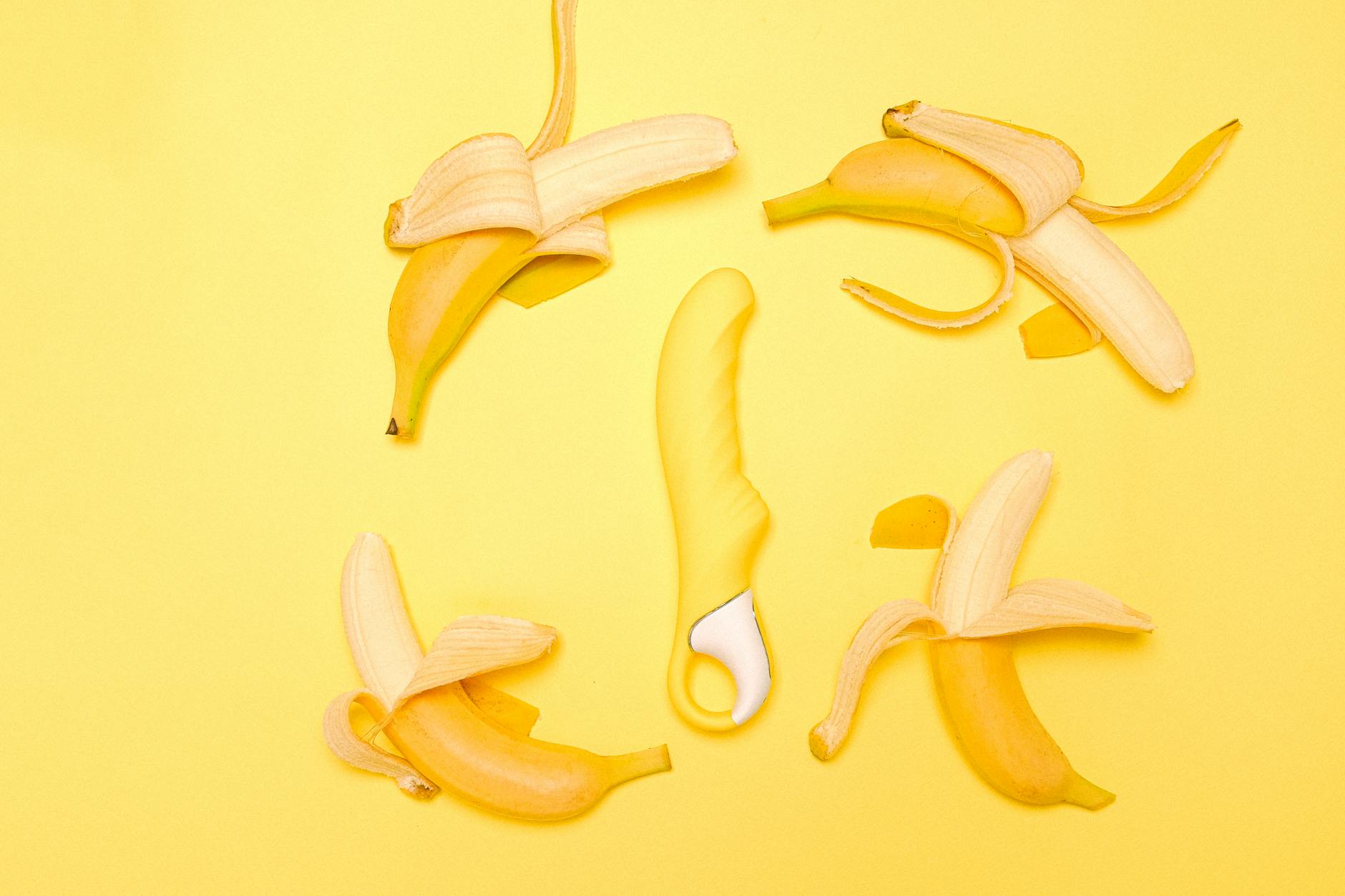
A good lemon clitoral vibrator does something hormonal shifts make harder: it provides consistent, predictable stimulation that doesn't require your body to cooperate in exactly the way it used to.
When arousal is slow to build, you need a tool that works reliably. A vibrator like the Hello Nancy Lemon delivers suction and vibration that stimulates the thousands of nerve endings in your clitoris without requiring the kind of friction or pressure that can feel raw on thinner tissue.
The suction action is key here. Instead of direct mechanical pressure, suction works more like a gentle pulling sensation that engages nerves without the same friction load. For people navigating hormonal shifts, this makes the difference between "this feels too intense" and "this actually feels good."
Building a reconnection protocol
If you're using a lemon vibrator for the first time during a hormonal transition, here's what actually works.
Start with exploration solo. This isn't about performance or reaching orgasm. It's about mapping what your body likes now. Use your vibrator on the lowest setting (pattern 1 or 2 on the Lemon). Spend 5 minutes just getting acquainted with how different patterns feel. Some will feel jarring. Some will feel too subtle. Most will feel exactly right once your nervous system adjusts.
Extend warm-up time. If arousal used to happen in 5 minutes, budget 15 to 20 now. Use your vibrator on low patterns while you're building arousal through other means. Read something you find hot. Watch something. Think about something. Let sensation build gradually.
Vary the patterns. The Lemon has eight different vibration and suction patterns. Your sensitivity threshold might change during arousal, during your cycle, or even week to week. Having variety means you're not fighting a single sensation. You can shift when something stops working.
Add lubricant. Water-based is safest with silicone toys. Lubrication isn't a sign something's wrong. It's a tool that makes sensation feel richer and reduces friction on tissue that's responding differently to hormonal changes.
Notice what changed, not what's broken. The orgasm might feel different in shape or intensity. That's information. Some people report their most satisfying orgasms happen after navigating hormonal shifts because they stop expecting the old sensation and actually feel what's there now.
Rebuilding partnership dynamics around this
If you're in a relationship, hormonal changes affect both of you even though only one body is directly impacted.
Your partner might feel rejected if you suddenly need more warm-up time or a vibrator in the mix. You might feel self-conscious about the shift. The worst move is to pretend nothing changed. The best move is to be direct about the difference between "my body is responding differently" and "I don't want you." These are separate statements that need separate conversations.
Many couples I work with find that introducing a vibrator during hormonal transitions actually strengthens connection because it removes the pressure for one person's body to do all the work. The Lemon becomes a third thing you're both collaborating with, not a replacement for partnership.
If your partner is hesitant, start with a conversation about what you're noticing in your body and what would help. Then let them observe the difference when you're actually enjoying yourself. Pleasure is contagious. When you're genuinely having a good time with your vibrator, your partner usually wants in.
Common patterns and what they mean
Some people find that specific patterns work across all their sensitivity states. Others notice their preference shifts with their cycle, their stress level, or the time of day. Both are normal.
If a pattern feels too intense, don't push through it. The stimulation is too much for your nervous system right now, and forcing it creates an association between vibrators and discomfort. Move to a gentler pattern. Your sensitivity will recalibrate over weeks.
If you're not feeling much on any pattern, especially if this is new for you, remember that arousal has to be present first. A vibrator amplifies sensation. It doesn't create arousal from nothing. Build arousal first, then introduce the vibrator.
When to seek additional support
If pain appears during or after use, stop and check in with a healthcare provider. Hormonal shifts sometimes bring actual inflammation that needs addressing. That's not normal discomfort. That's a sign something else is going on.
If desire has completely flatlined and isn't returning over weeks, mention it to your doctor. Sometimes hormonal changes need actual medical support, whether that's adjusting medication, adding supplemental hormones, or addressing another underlying condition.
If you feel disconnected from pleasure entirely, not just physically but emotionally, that might be worth exploring with a therapist. Hormonal shifts often get tangled with other things. Untangling them helps.
The frame that helps
Your body didn't betray you. It adjusted. And yes, adjustment is uncomfortable at first. Yes, you have to relearn some things. Yes, you might need tools you didn't need before. None of that means you're broken or that good sex is behind you.
The people I work with who navigate hormonal shifts most successfully are the ones who get curious instead of defensive. They notice what's different. They try things. They keep what works and let go of what doesn't. They accept that pleasure might look a little different now and then discover it often looks better.
A lemon clitoral vibrator isn't a band-aid fix for hormonal changes. It's a tool that acknowledges your body is different right now and that you deserve pleasure anyway. Using one is a small act of self-respect.
People also ask
How long does it take to adjust to using a vibrator during hormonal shifts?
Most people need 3 to 5 solo sessions to start feeling genuinely good sensation instead of just novelty. Your nervous system needs time to establish new baseline expectations. Give yourself permission to have awkward or underwhelming sessions at first. That's completely normal. The shift happens gradually, not all at once.
Can hormonal changes make vibrators feel less effective?
Yes, but it's usually temporary. Hormonal shifts change how your nervous system prioritizes sensation. During some phases, you might need a stronger pattern to feel stimulated. During others, the same pattern feels overwhelming. This is adaptation, not a sign the vibrator is broken or you're broken. Varying your approach works better than fighting the shift.
Is it normal to feel numb even when using a vibrator?
Completely normal, especially in the early weeks of a hormonal transition. Your nervous system is recalibrating. If numbness persists beyond a few months, check in with a doctor because sometimes it indicates a larger hormonal imbalance that needs addressing. In the meantime, start with longer warm-up periods and give sensation time to build.
Should I use a vibrator during partnered sex or solo only?
That's up to you, but research on couples and vibrator use shows that partnered introduction usually works better than going solo for months then suddenly trying it together. When your partner sees you actually enjoying yourself, they're often relieved to participate. The vibrator isn't replacing them. It's replacing the pressure for one body to do all the work.
Does using a vibrator frequently change what feels good over time?
Not in the way people fear. Your body doesn't "get addicted" to vibrators in a way that makes non-vibrator sex impossible. What does happen is that your nervous system learns the vibrator's pattern. If you notice that only one specific pattern feels good after weeks of use, add variety back in. Try different patterns. Use the vibrator for shorter sessions. Change the context. Your body is adaptive by design.
What if my vibrator settings are too strong for my current sensitivity?
Start on the lowest pattern every time, even if you've used it before in a different phase of your hormonal cycle or life stage. Let your body adjust to the sensation for a few minutes before increasing intensity. Many people discover the lowest patterns actually feel best during hormonal transitions. Intensity isn't the goal. Pleasure is.
Moving forward
Hormonal changes are real. The shift in your body's response is real. And so is your capacity for pleasure on the other side of that adjustment. A lemon vibrator can be part of rediscovering that. So can patience with yourself. So can curiosity instead of criticism. You're not starting over. You're learning a new phase of what your body loves.